US-Iran Maritime Clash Sparks Sector Rotation and Heightened Trading Volumes on Wall Street
Capture of Iranian-flagged vessel by US forces in the Gulf escalates tensions, impacting energy stocks and market volatility.
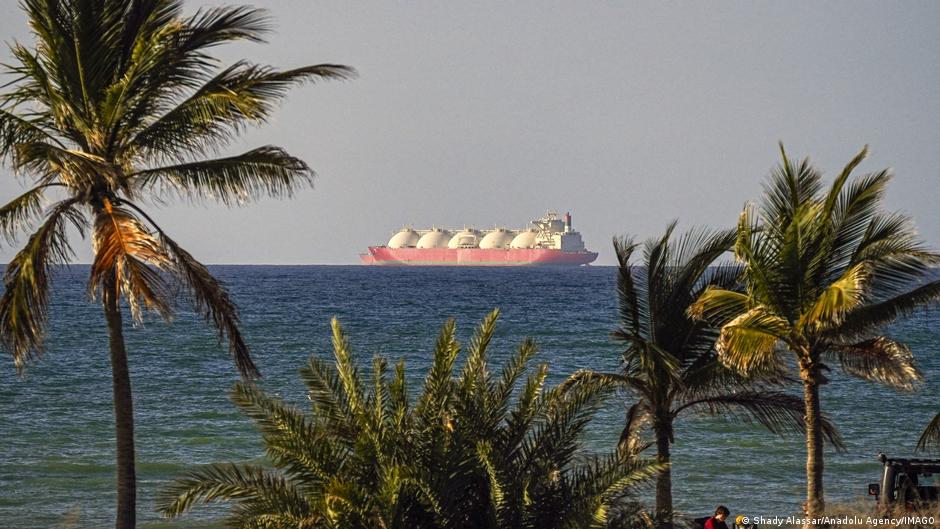
Recent geopolitical tensions between the United States and Iran escalated sharply after US naval forces intercepted and seized an Iranian-flagged cargo ship in the strategic Gulf of Oman. Tehran condemned the operation as an "act of piracy" and a violation of an existing ceasefire, according to statements from the Central Military Headquarters in Iran.
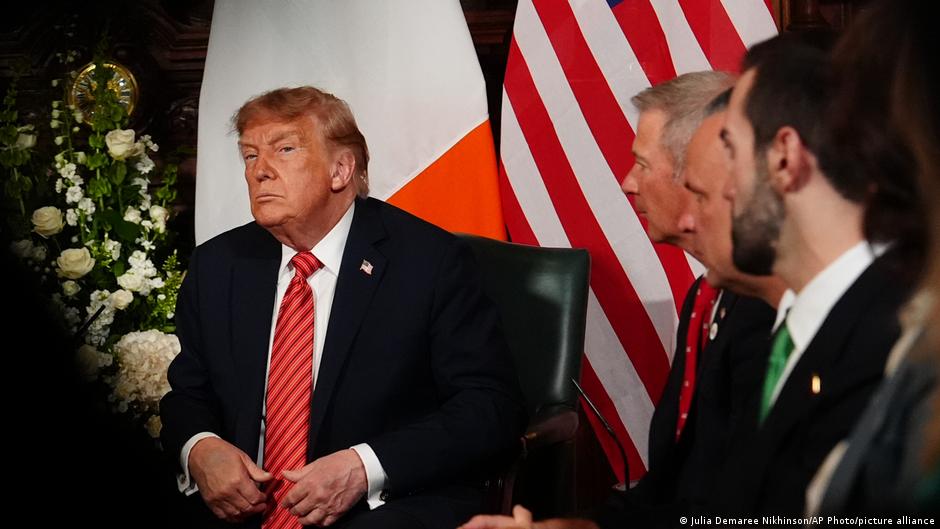
US President Donald Trump confirmed the seizure via his social media platform, asserting that the vessel was attempting to circumvent the maritime blockade imposed on Iranian ports, particularly in the Strait of Hormuz. This waterway is a critical artery for global oil shipments, making the incident particularly significant for energy markets.
Market Impact: Energy Sector and Trading Dynamics
The maritime confrontation has sent ripples through Wall Street, primarily impacting the energy sector. Oil and gas companies saw increased volatility as investors factored in the risks of supply disruptions. Major energy ETFs experienced elevated trading volumes, and equities in firms with exposure to Middle Eastern oil infrastructure reacted with notable price swings.
"The heightened tensions in the Gulf region underscore the fragility of global energy supply chains, prompting sector rotation towards defensive plays and commodities," noted an equity research analyst specializing in geopolitical risk.
Investors showed a shift away from growth-oriented stocks towards more traditional safe havens and energy-related assets. The incident has renewed interest in companies involved in alternative energy routes and those with diversified geographic portfolios that reduce exposure to Middle Eastern geopolitical risk.
Additionally, the US Central Command in the Middle East confirmed the vessel's capture, exacerbating concerns over potential escalation. Iranian authorities have stated their refusal to participate in renewed diplomatic negotiations with the US as long as the blockade continues, adding further uncertainty to the geopolitical landscape.
Trading desks reported surges in volumes across maritime insurance and shipping stocks, reflecting investors' reassessment of risks in sea freight lanes. The tension has also prompted analysts to revise forecasts for oil prices, anticipating potential supply constraints if maritime conflicts persist.
In sum, the US-Iran maritime clash has introduced increased volatility and sector rotation in US equity markets, with energy stocks and related sectors at the forefront of investor attention.