Baltic Airspace Closure for Slovak PM Fico’s Moscow Flight Heightens Geopolitical Risks on Wall Street
Latvia and Lithuania block Slovak PM Robert Fico’s flight to Moscow, underscoring persistent EU-Russia tensions impacting market sentiment.
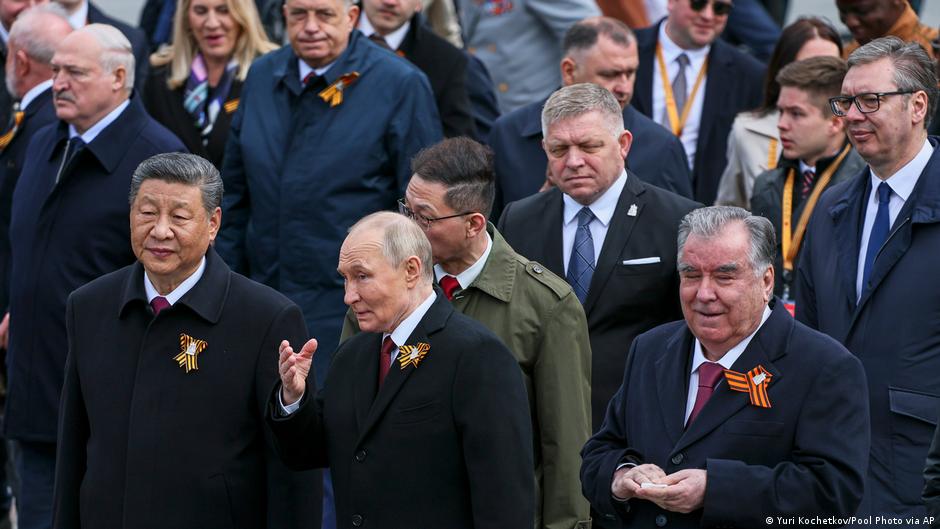
Latvia and Lithuania have announced they will again close their airspace to Slovak Prime Minister Robert Fico’s flight en route to Moscow for the May 9 Victory Day celebrations. This move, confirming a repeat of last year’s restrictions, adds to mounting geopolitical tensions that are influencing sector rotations and trading volumes on Wall Street.
Geopolitical Developments and Market Implications
Slovak Prime Minister Robert Fico publicly confirmed that both Baltic nations informed Bratislava of their intention to deny overflight rights to his aircraft bound for Moscow, a diplomatic setback echoing the previous year’s situation. “Lithuania and Latvia have already told us they will not allow overflight during the flight to Moscow. So be it; EU member states do not permit a prime minister of another EU member state to overfly their territory,” Fico stated on April 18.
Fico assured he would seek an alternative route, similar to last year’s workaround. This ongoing standoff reflects the broader EU diplomatic posture, which has generally discouraged member and candidate countries from participating in official events in Russia amid the ongoing conflict in Ukraine.
From a financial market perspective, these heightened diplomatic frictions perpetuate investor caution, particularly in sectors sensitive to geopolitical risk such as defense, energy, and technology. Wall Street trading volumes have seen increased volatility in recent weeks, with equity research analysts noting a rotation out of European equities perceived as vulnerable to geopolitical shocks and into U.S. tech and energy stocks.
“The refusal of airspace access underscores the enduring EU-Russia divide, likely sustaining elevated risk premiums in affected sectors,” said an equity strategist.
Sector Rotation and Stock-Specific Impacts
The Baltic airspace closures are emblematic of a broader political environment that is influencing capital flows. Defense contractors and cybersecurity firms have seen an uptick in interest, as investors hedge against potential escalations. Conversely, European airlines and travel-related stocks face headwinds due to restricted routes and increased operational risks.
Stock market analytics indicate that Polish and Baltic region equities are underperforming relative to broader benchmarks, reflecting investor concerns over regional instability. Meanwhile, U.S. energy companies continue to attract capital amid Europe's ongoing energy supply challenges linked to the geopolitical standoff.
Last year, the May 9 events in Moscow attracted leaders from 27 countries including China, Belarus, Cuba, Venezuela, Slovakia, and Serbia. The European Union had warned candidate countries and European politicians against attending, reflecting a policy of distancing from Russia’s symbolic military celebrations.
Latvia and Lithuania also previously denied overflight rights to Fico and Serbian President Aleksandar Vučić, citing “political sensitivity” and “technical and diplomatic sensitivity.” Poland similarly restricted Fico’s airspace access. These restrictions highlight the complex interplay of aviation diplomacy and geopolitical signaling in the region.
Looking ahead, market participants will be watching closely for potential ripple effects of these diplomatic frictions on trade flows, energy prices, and sector performances, emphasizing the need for nuanced equity research and risk assessment strategies amid a persistently volatile geopolitical landscape.