US Delays EU Auto Tariff Hike to July 4, Impacting Market Sentiment and Sector Rotation
President Trump postpones 25% tariff increase on European cars until July 4, following progress in US-EU trade talks.
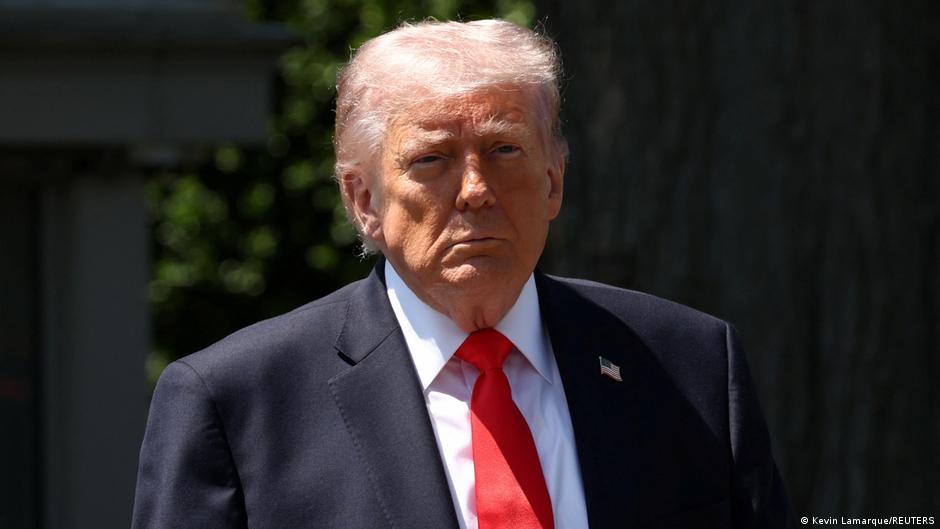
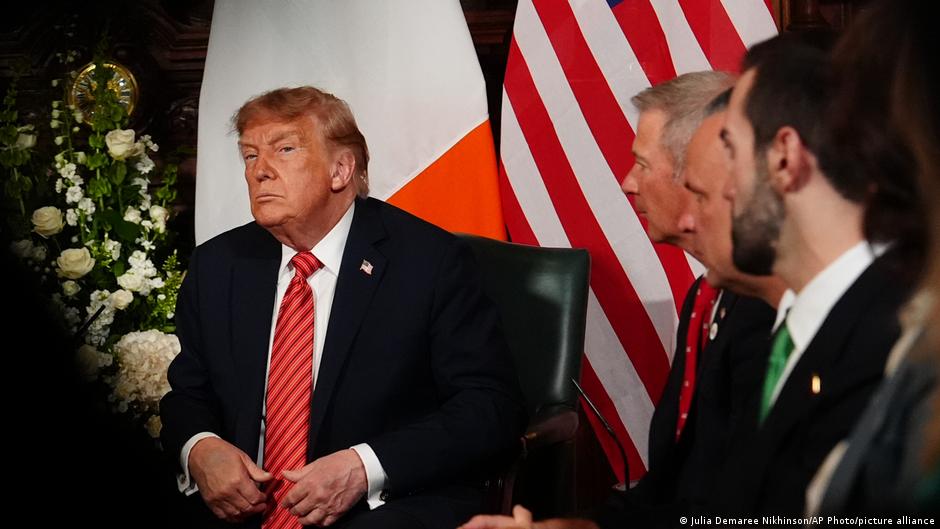
President Donald Trump announced he would delay the planned increase in tariffs on automobiles imported from the European Union until July 4, signaling a temporary reprieve amid ongoing trade negotiations. This announcement came after what Trump described as a "very good telephone call" with European Commission President Ursula von der Leyen.
Initially set to take effect in early May, the tariff hike would have raised import duties on EU passenger and commercial vehicles to 25%. Trump stated that the delay was conditional on the EU's compliance with a historic trade agreement aimed at reducing tariffs and expanding market access.
Market and Sector Implications
The postponement has immediate implications for sectors tied to automotive imports and manufacturing. European automakers listed on Wall Street, including companies like Volkswagen, Daimler, and BMW, experienced relief in trading volumes following the announcement as investor concerns about escalating tariff costs eased temporarily.
Automobile components suppliers and US-based distributors of European vehicles also saw a stabilization in their stock prices. Market analysts note that the delay may encourage a rotation out of defensive sectors into more cyclical automotive-related equities, as trade tensions temporarily de-escalate.
"The tariff delay provides a window of opportunity for equity investors to recalibrate exposures to European auto stocks, which had been under pressure due to anticipated higher costs," said a senior equity strategist.
On the other hand, sectors dependent on agricultural exports to the EU, such as dairy and soy, remain sensitive to the outcome of these negotiations, given the reciprocal commitments involved in the trade deal.
Trade Agreement Background and Outlook
The US-EU trade agreement, signed in September 2025, was designed to reduce European tariffs on automobiles retroactively from 27.5% to 15%, while the EU agreed to eliminate tariffs on a broad array of American industrial goods including seafood, dairy products, pork, and soybean oil. However, US President Trump has accused the EU of failing to comply with its commitments, though specific violations were not detailed.
Von der Leyen reaffirmed the EU's commitment to fulfilling the agreement and expressed optimism about progress towards tariff reductions ahead of the July deadline. She emphasized readiness for all scenarios, underscoring the EU's diplomatic approach amid the tariff dispute.
The tariff delay announcement has injected short-term optimism into markets, but uncertainty remains over the longer-term trajectory of US-EU trade relations. Investors and equity researchers will closely monitor subsequent developments for signs of either a lasting trade détente or renewed tensions that could drive further sector rotation and volatility.