Iran’s New Strait of Hormuz Shipping Regulations Spark Market Concerns on Energy Stocks
Iran introduces detailed vessel data declaration for Strait of Hormuz transit amid heightened US-Iran tensions, affecting oil sector and shipping volumes.
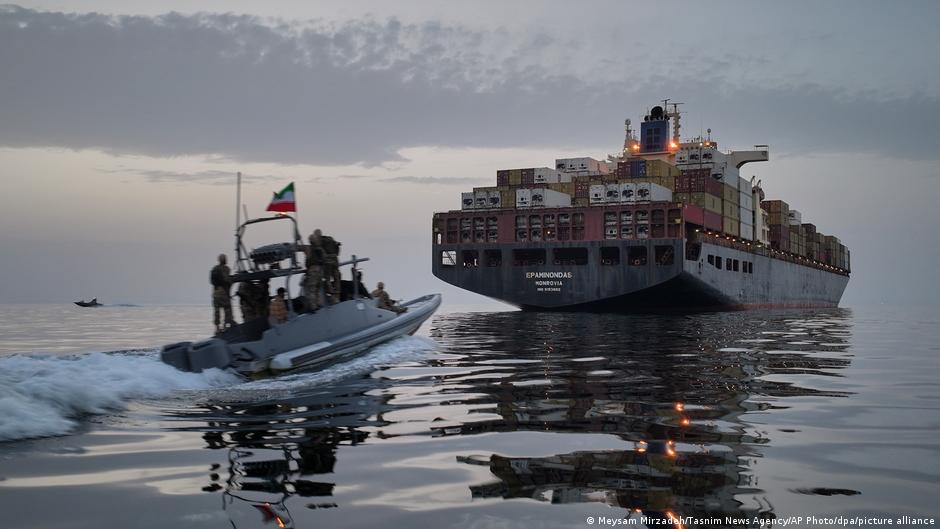
Iran has unveiled a new regulatory requirement for ships transiting the strategically critical Strait of Hormuz, demanding detailed vessel information from shipping companies. This move comes amid escalating geopolitical tensions in the region and has stirred cautious sentiment among energy market participants and equity analysts.
New Declaration Requirements and Market Implications
On May 5, Iran’s Persian Gulf Strait Administration (PGSA) issued a "Vessel Information Declaration" that tanker operators must complete before passing through the Strait of Hormuz. The declaration contains over 40 questions, including vessel name and identification number, previous vessel names, country of origin, destination, ownership details, crew citizenship, and comprehensive cargo information.
Shipping companies must submit this data via email to the PGSA prior to transit. Iran underscores that the responsibility for accuracy lies solely with the declarant, holding them accountable for any false or incomplete information and its consequences.
While the document does not explicitly mention transit fees, reports suggest Iran has previously considered charging up to $2 million per vessel as a revenue source, potentially to fund reconstruction after past US and Israeli airstrikes. However, any such fees would be prohibited for US persons and entities, reflecting ongoing sanctions and restrictions.
"Payments to the Iranian government or the Islamic Revolutionary Guard Corps for safe passage will not be permitted for US persons or entities," stated the US Treasury Department.
This regulatory development arrives against the backdrop of heightened US military operations near the Strait. On May 4, the United States launched "Operation Project Liberty," deploying naval forces to escort commercial vessels through the Strait, with President Donald Trump warning of retaliatory actions if US ships are attacked.
Trump later announced a temporary pause in this operation to explore potential agreements with Iran, following diplomatic outreach by Pakistan and other nations.
Wall Street Reaction: Sector Rotation and Trading Volumes
Energy stocks, particularly those of oil tanker operators and producers sensitive to Middle Eastern geopolitical risks, experienced notable volatility following the announcement. Market analysts observe a cautious rotation away from high-risk energy equities toward sectors perceived as defensive, including utilities and consumer staples.
Trading volumes in maritime logistics and energy infrastructure stocks spiked as investors reassessed risk premiums associated with Strait of Hormuz transit disruptions. Equity research teams highlight the potential for increased operational costs and insurance premiums for vessels navigating these waters, which could compress shipping margins.
"The new Iranian declaration requirements add a layer of regulatory complexity that could delay shipments and elevate costs for tanker operators," noted a sector analyst. "Investors should monitor geopolitical developments closely, as any escalation could further disrupt supply chains and impact energy prices globally."
The situation underscores the Strait of Hormuz’s pivotal role, as approximately 20% of global petroleum passes through the waterway. Any prolonged regulatory or military tensions risk constraining supply, thereby influencing crude oil prices and energy market dynamics.
Market participants and portfolio managers are advised to monitor ongoing US-Iran relations, shipping compliance developments, and their potential effects on equity valuations within the energy and transportation sectors.