US Arms Supply Delays to Europe Amid Iran Conflict Impact Wall Street Sectors
US warns European allies of significant delays in arms shipments, affecting defense stocks and sector rotation on Wall Street.
The United States has informed key European allies, including the UK, Poland, Lithuania, and Estonia, about substantial delays in arms shipments as Washington urgently replenishes stockpiles depleted by ongoing conflicts with Iran. This development, reported by Financial Times citing multiple sources, is poised to influence trading volumes and sector rotation in defense-related equities on Wall Street.
Impact on Defense Stocks and Market Dynamics
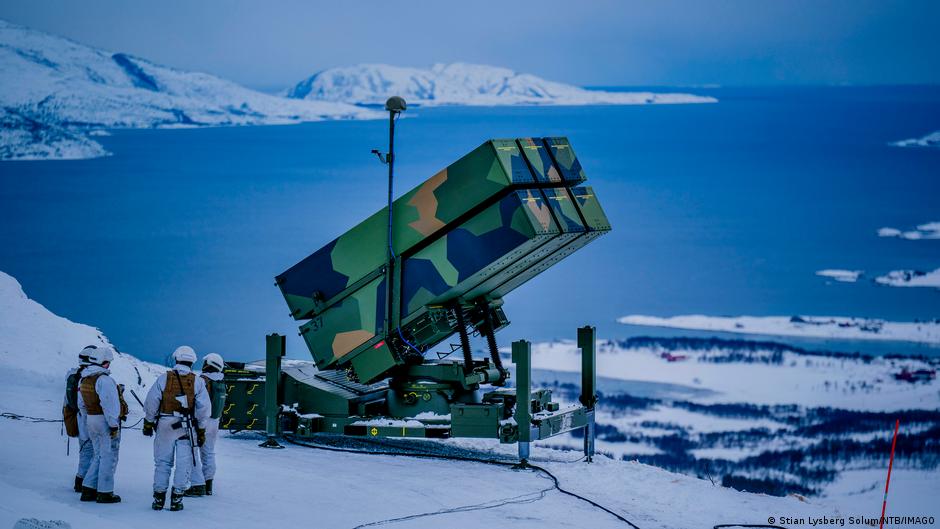
According to the report, the delays primarily concern ammunition for missile systems such as NASAMS and HIMARS, as well as other rocket systems. The ripple effects extend beyond Europe, with similar supply constraints anticipated for US allies in Asia, including Japan and South Korea. This tightening of arms exports could dampen investor sentiment in defense stocks, while pushing market participants to reevaluate sector allocations amid shifting geopolitical risks.
“The warning of significant delays is bad news for Kyiv, which has faced such supply challenges since the beginning of the US-Iran conflict,” a senior Ukrainian official noted.
Wall Street’s equity research teams are closely monitoring these developments, noting that defense contractors supplying missile systems and ammunition might see increased volatility. Trading volumes in defense ETFs and related stocks could rise as investors adjust positions based on anticipated government spending shifts and export policy changes.
The US Department of Defense is reportedly "carefully assessing" new equipment requests from allies to align with current operational priorities. This evaluation process adds to uncertainty around delivery timelines, which may impact quarterly earnings forecasts for companies in the defense manufacturing sector.
Geopolitical Shifts and Sector Rotation
The arms supply delays coincide with the US State Department’s approval of arms exports totaling over $8.6 billion to several Middle Eastern allies, including Israel, Qatar, Kuwait, and the UAE. The largest package, valued at approximately $4 billion, is destined for Qatar, followed by significant contracts with Kuwait and Israel. These approvals, executed under expedited procedures bypassing Congress, reflect urgent strategic priorities amid heightened tensions with Iran.
From a market perspective, this shift in arms distribution may prompt a sector rotation. Investors might favor defense companies benefiting from Middle Eastern contracts while reassessing exposure to firms reliant on European demand. The divergence in regional arms flow underscores the complex interplay between geopolitics and market dynamics, making defense equities a focal point for portfolio managers navigating current uncertainties.
Overall, the US decision to prioritize replenishment for the Iran conflict, at the expense of European supply commitments, illustrates the broader impact of geopolitical conflicts on global trade flows and equity markets. Market participants should remain vigilant for further updates that could influence sector performance and trading volumes.