Russian Military Strikes Continue Despite Ceasefire Proposal Impacting Market Sentiment
Ongoing conflict in Ukraine disrupts sector rotation and influences trading volumes amid geopolitical tensions.
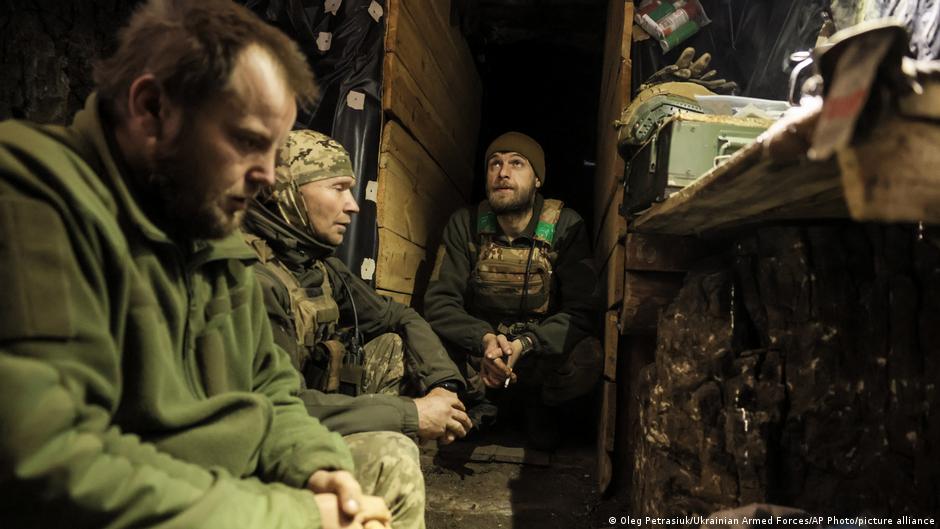
On the night of May 6, a unilateral ceasefire proposed by Ukrainian President Volodymyr Zelensky came into effect, aiming to de-escalate hostilities ahead of the May 8-9 Victory Day observance. This initiative was offered as an alternative to Russia's announced truce limited to May 8-9. However, Russian forces continued their military assaults across several Ukrainian regions, extending geopolitical uncertainty and affecting investor sentiment on Wall Street.
Impact on Market Sectors and Trading Volumes
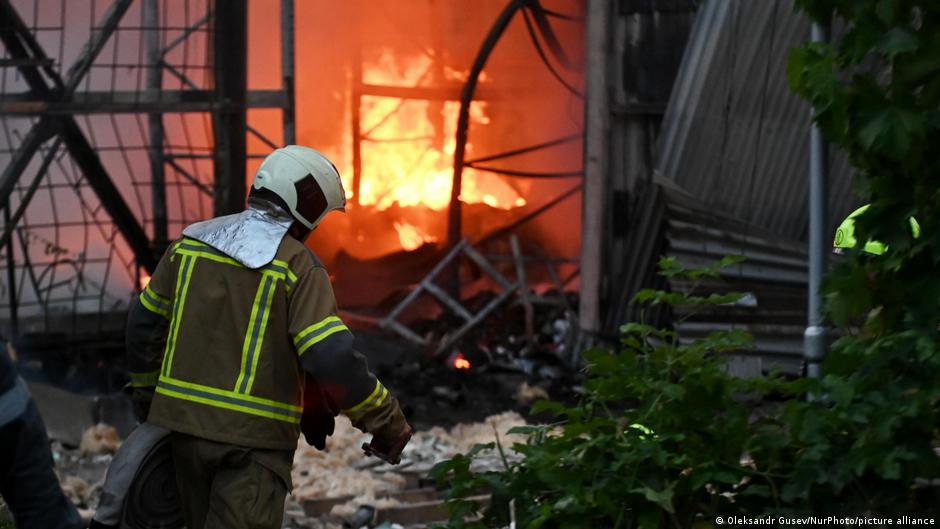
The persistent Russian attacks on key industrial and urban centers in Ukraine, including Zaporizhzhia, Kharkiv, Sumy, Donetsk, and Dnipropetrovsk regions, have heightened risk aversion among global investors. These developments are contributing to volatility in energy stocks due to concerns about supply disruptions, while defense sector equities remain volatile as market participants reassess ongoing geopolitical risks.
Additionally, the use of long-range cruise missiles and drones, as reported by Ukrainian Air Forces, has amplified fears of an escalation in the conflict, prompting some portfolio managers to rotate away from high-risk assets in Eastern Europe and into safer havens. Trading volumes for equities sensitive to geopolitical tensions have experienced noticeable fluctuations, reflecting market uncertainty.
“The continuation of strikes despite calls for ceasefire underscores the unpredictable nature of the conflict, impacting sector rotation strategies on Wall Street,” said an equity research analyst.
Earlier in the week, Russia declared a unilateral truce for May 8 and 9, coinciding with Victory Day celebrations, with warnings of retaliatory missile strikes on Kyiv should Ukraine disrupt the ceasefire. Zelensky’s counteroffer to commence a ceasefire earlier, from midnight May 6, was conditioned on reciprocal Russian action. This stalemate has prolonged investor wariness, particularly affecting stocks in sectors linked to Eastern European trade routes and energy exports.
The human toll and ongoing military engagements, including a deadly drone attack on the city of Dzhankoy in annexed Crimea resulting in civilian casualties, further compound the geopolitical risks that investors are factoring into their equity valuations. Ukrainian officials have pledged reciprocal measures but have refrained from commenting on recent strikes, maintaining a tense standoff.
As Wall Street continues to monitor the conflict, equity research teams emphasize the importance of cautious sector rotation and vigilance over trading volumes, given the volatility induced by these geopolitical developments.