Russian Defense Ministry Proposes Ending Mandatory Medical Exams for Contract Soldiers Amid Recruitment Challenges
Moscow aims to ease medical screening requirements for military contractees and mobilized personnel as enlistment difficulties mount during the Ukraine conflict.
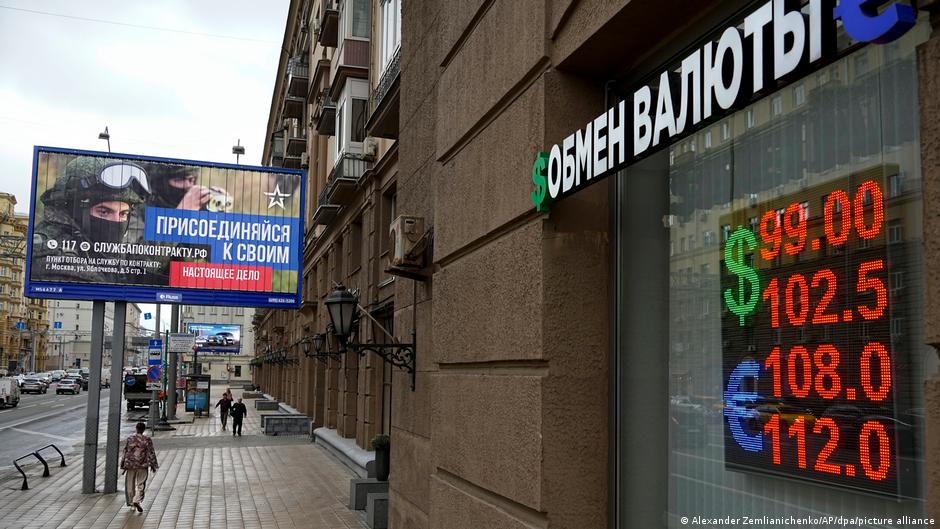
The Russian Ministry of Defense has introduced legislative amendments that would eliminate mandatory medical examinations for contract soldiers and mobilized personnel, except in cases involving injuries or serious illnesses. This move reflects growing recruitment difficulties faced by Russia amid its ongoing full-scale war against Ukraine.
Legislative Changes Reflect Recruitment Pressures
On July 3, a draft law proposing these changes was publicly released for discussion and is currently undergoing independent anti-corruption review. According to the proposed amendments, compulsory medical screenings during mobilization, martial law, or wartime would only be required when there is reason to believe a contract soldier or mobilized individual may have disabilities or ailments rendering them partially or completely unfit for service.
The Defense Ministry will define the specific procedures for identifying such conditions through medical examinations.
"The legislative initiative signals significant problems in contract recruitment, aiming to remove automatic medical screenings and restrict them to exceptional cases," noted an expert involved in military conscription advocacy.
Human rights groups assisting individuals seeking to avoid conscription view the proposal as a clear indication of systemic issues in attracting contract soldiers. According to Grigory Sverdlin, head of the advocacy project "Go Away," the draft law implies that recruitment challenges are so severe that the government is prepared to forgo routine medical assessments to expedite enlistment.
Context of Intensified Recruitment Efforts
Recent months have seen a series of new measures aimed at boosting contract enlistment numbers. In late May, President Vladimir Putin signed legislation enabling debt forgiveness for new military contractees, a financial incentive to encourage recruitment.
Additionally, Russia has expanded recruitment efforts beyond its borders, offering military service vacancies related to the conflict in Ukraine within Belarus and China. In the Penza region, authorities reportedly conducted roundups of men, coercively signing them into contracts with the Defense Ministry. These aggressive tactics underscore the challenges Moscow faces in maintaining troop levels.
Media reports have also speculated about the possibility of a new wave of mobilization to reinforce Russia’s military efforts.
Market Implications and Sector Rotation
From a market perspective, these developments highlight heightened geopolitical risks that could influence sector rotation and investor sentiment on Wall Street. Defense contractors and companies associated with military supply chains may see increased investor interest amid intensified military mobilization, while industries sensitive to geopolitical instability might experience elevated volatility.
Trading volumes in defense stocks may increase as market participants reassess the potential for extended conflict and government spending on military personnel and equipment.
Equity research teams tracking Russian-linked securities will likely adjust their outlooks to factor in these recruitment policy shifts and the broader implications for regional stability.