Russia-Ukraine Talks Put Defense, Energy and Rebuilding Stocks in Focus
The Nov. 10-11 Abu Dhabi negotiations could reshape risk premiums across defense, energy and reconstruction-linked equities.
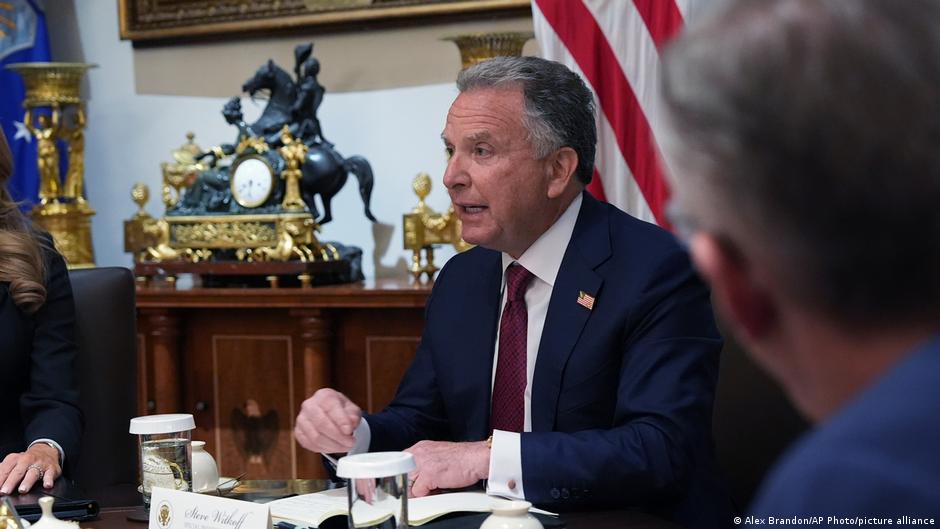
A new round of US-mediated negotiations between Russia and Ukraine will take place in Abu Dhabi on Nov. 10 and 11, creating a fresh event risk for Wall Street investors with exposure to defense, energy and potential postwar reconstruction themes.
Steve Witkoff, US President Donald Trump’s special envoy, announced the talks on Tuesday, Nov. 3. The working-group discussions in the capital of the United Arab Emirates will address postwar security, de-escalation, humanitarian initiatives and possible next steps toward peace.
“The discussions will focus on postwar security, de-escalation, humanitarian initiatives and the next steps toward peace,” Witkoff wrote on X.
Witkoff said the meetings form part of Trump’s efforts to end Russia’s war against Ukraine. The agenda is broad, and the announcement did not identify a prospective ceasefire date, disclose draft terms or indicate that the parties had resolved their central disputes. For equity investors, that makes the talks a potential volatility catalyst rather than confirmation of an imminent settlement.
Defense and energy shares face the clearest read-through
US defense contractors including Lockheed Martin, RTX, Northrop Grumman and General Dynamics are among the specific stocks likely to remain on traders’ watchlists as the negotiations approach. European defense groups such as Rheinmetall and BAE Systems may also help indicate whether investors believe the diplomatic process could alter the region’s long-term military spending outlook.
A durable agreement could encourage some rotation away from companies that have benefited from heightened geopolitical risk. However, the focus on postwar security guarantees and Europe’s future security architecture means diplomacy would not automatically eliminate demand for military equipment. The wording of any eventual framework—and the commitments expected from the United States, NATO members and European governments—would matter more to the sector’s earnings outlook than the fact that talks are taking place.
Energy stocks present another important channel. Exxon Mobil, Chevron and European oil majors could react to any change in expectations for geopolitical risk, Russian energy flows or sanctions, although Witkoff’s statement did not announce changes in any of those areas. Oil and natural-gas prices would therefore provide an important cross-asset signal alongside equity trading.
Investors should distinguish between an initial headline-driven move and a more durable sector rotation. A price reaction accompanied by unusually strong trading volume would suggest that institutions are adjusting positions, while a low-volume move could indicate short-term speculation. The announcement provided no market-volume data, so confirmation would need to come from trading around subsequent diplomatic statements and the Nov. 10-11 meetings themselves.
Reconstruction theme could gain attention
Witkoff said US negotiators will also meet representatives of France, Germany, the United Kingdom, the European Union and NATO in Brussels this week. Those discussions will cover security guarantees for Ukraine, Europe’s postwar security architecture and possible economic support for Ukraine’s reconstruction.
That agenda could draw attention to US-listed industrial, engineering and building-materials companies, including Caterpillar and Deere, as well as European construction and infrastructure groups. The investment case remains preliminary: the statement did not specify funding levels, contracts, procurement structures or a timetable for rebuilding. Equity research analysts would need those details before translating diplomatic progress into revenue or earnings estimates.
The likely market split is therefore between companies sensitive to a reduction in conflict risk and those positioned for a long reconstruction cycle. Banks and other European risk assets could also respond to changes in the regional risk premium, but the immediate stock-specific implications remain dependent on whether the talks produce verifiable steps rather than general commitments.
Investors await evidence of diplomatic progress
Witkoff said Washington hopes to consolidate progress achieved in Kyiv, Oslo and St. Petersburg and move toward a comprehensive and lasting peace agreement that would provide long-term security for future generations.
In October, Trump’s special envoy met Ukrainian President Volodymyr Zelenskyy in Oslo. He then traveled to St. Petersburg for talks with Russian President Vladimir Putin. The previous round of US-mediated negotiations between Russia and Ukraine took place in February 2026, shortly before the start of the US and Israeli war against Iran.
For Wall Street, the Abu Dhabi meeting introduces a defined date around which geopolitical positioning may intensify. Defense, energy and reconstruction-linked shares offer the most direct sector lenses, while trading volumes may help investors judge the conviction behind any market response. Until negotiators disclose substantive terms, however, the prudent equity-research view is to treat the talks as a scenario-changing catalyst rather than a completed shift in the earnings outlook.