Rising Military Service Refusals in Germany Influence Defense Sector Stocks and Market Sentiment
Germany sees a surge in military service refusal applications amid security tensions and conscription reforms, impacting defense equities and trading volumes.
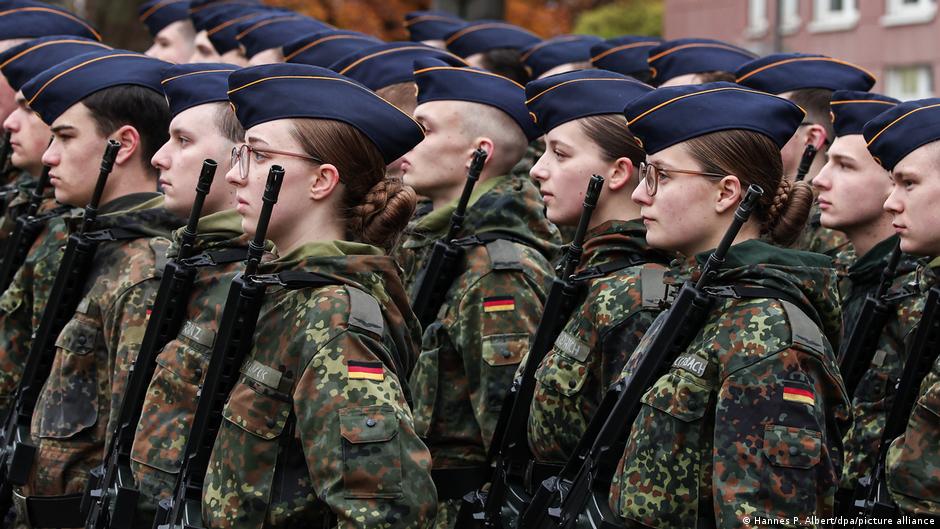
Germany is experiencing a notable increase in refusals to undertake military service, with implications for the defense sector and broader market dynamics. In the first half of 2027, authorities received 5,862 formal applications to refuse military service, significantly higher than the 3,867 recorded throughout 2025 and 2,998 in 2024.
Impact of Military Service Refusals on Defense Stocks and Market Dynamics
The spike in refusal rates comes amid heightened security concerns and legislative reforms to the conscription system in Germany. A new law, effective from January 1, 2027, requires all 18-year-old males to undergo mandatory medical assessments to determine fitness for service, even if they opt not to serve voluntarily. This reform signals a shift toward reinstating compulsory military obligations, potentially influencing investor sentiment toward defense sector equities.
As Germany plans to increase active military personnel from 186,000 to 260,000 by 2035, companies involved in defense manufacturing and related services may see shifts in demand expectations. The partial reintroduction of so-called "military duty by necessity"—to be activated if voluntary enlistment falls short—introduces regulatory uncertainty that could affect share prices within the defense industry.
Trading volumes in defense-related stocks may experience volatility as investors adjust to these evolving policy signals. Equity research analysts are closely monitoring legislative developments and enlistment trends to update their sector rotation strategies and stock recommendations.
"The increase in military service refusals juxtaposed with legislative moves toward mandatory assessments presents a complex risk and opportunity scenario for defense equities," noted market analysts.
Historically, conscription in Germany was suspended in 2011, yet the constitutional provision allowing refusal on conscientious grounds remains active. This nuanced legal framework permits not only new conscripts but also reservists and active servicemen to submit refusal applications, adding layers to market expectations of defense personnel levels.
Interestingly, there is a counter-movement where some applicants withdraw their previous refusal statements. In 2026, 781 such withdrawals were recorded, with 233 reported in the first quarter of 2027, signaling possible shifts in public and military enlistment attitudes.
These dynamics underscore the evolving nature of Germany's defense policy and its broader economic and market repercussions. Investors and market participants should closely watch subsequent parliamentary decisions regarding the potential partial reinstatement of mandatory military service and their impact on sector-specific stock valuations.