Recent Drone Attacks on Dnipro Cause Civilian Injuries Amid Market Uncertainty
Seven civilians, including children, injured in drone strikes on Dnipro, highlighting ongoing regional instability impacting investor sentiment.
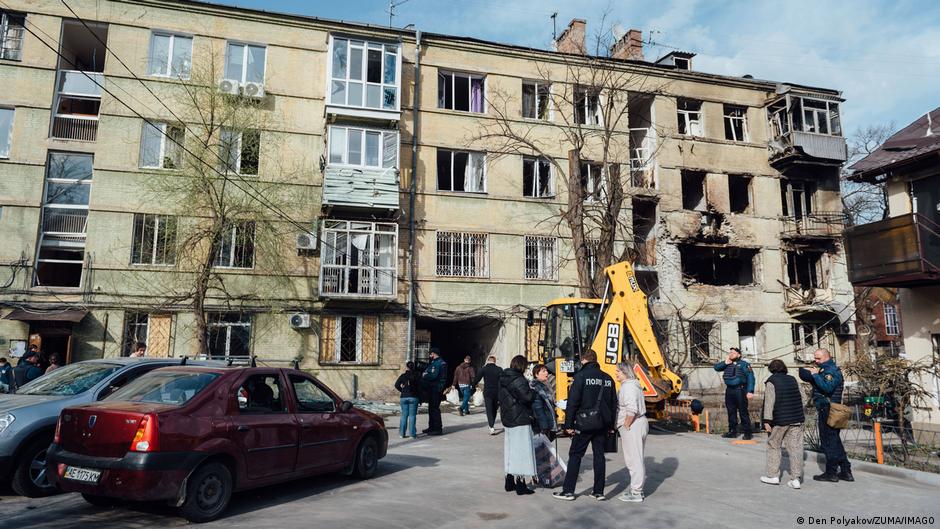
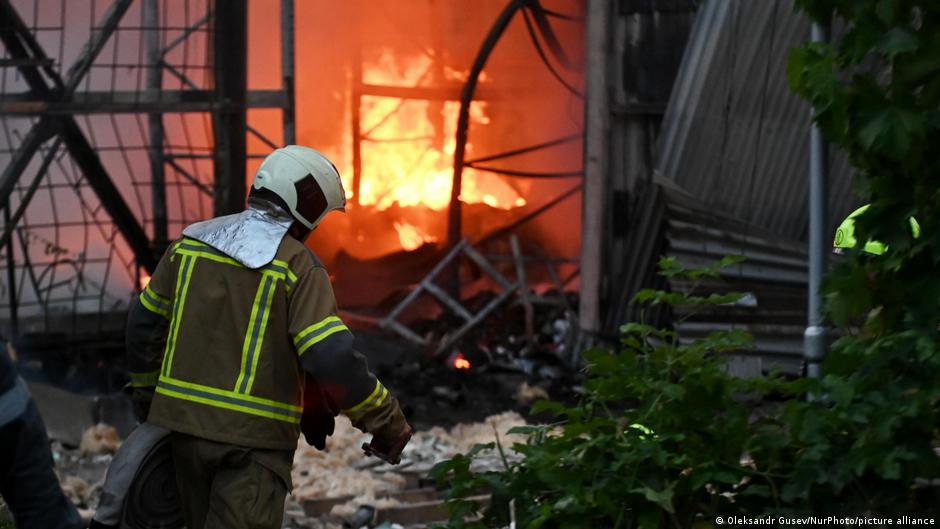
Overnight drone attacks on the Ukrainian city of Dnipro resulted in injuries to seven civilians, including two young girls aged 9 and 14, according to local authorities. The strikes also triggered fires in multiple apartments within a high-rise building, deepening concerns about regional stability and its potential ripple effects on financial markets.
Impact of Conflict on Market Dynamics and Investor Sentiment
The recent escalation in hostile actions, particularly the drone attacks on April 23, adds to a series of aggressive strikes targeting residential and commercial areas in Dnipro. Previous attacks on April 16 involved ballistic missiles and drones, causing multiple casualties and extensive property damage. These events contribute to increasing geopolitical risk premiums, prompting shifts in trading volumes and sector rotations on Wall Street.
"The ongoing conflict introduces heightened uncertainty, influencing investor behavior across energy, defense, and technology sectors," noted market analysts.
Energy and defense stocks have seen sporadic volatility as investors recalibrate risk exposure amid the unfolding conflict. Furthermore, sectors tied to infrastructure and technology have experienced cautious trading, reflecting concerns over supply chain disruptions and cyber vulnerabilities.
Equity research firms are closely monitoring developments in Eastern Europe, emphasizing the need for diversified portfolios capable of weathering geopolitical shocks. The sustained instability in cities like Dnipro underscores the importance of integrating geopolitical risk assessments into market strategies.
Trading volumes have fluctuated in response to news of the attacks, with notable increases during periods of heightened military activity. This pattern suggests that market participants are reacting swiftly to geopolitical developments, adjusting positions across vulnerable sectors.
As the situation evolves, market watchers anticipate continued sector rotation and volatility, with investors favoring defensive assets and companies with resilient supply chains. The humanitarian toll and infrastructure damage in Dnipro serve as a stark reminder of the broader implications of regional conflicts on global financial markets.