North Korea’s Missile Tests Spur Volatility in Defense Stocks and Sector Rotation on Wall Street
Recent North Korean missile launches have prompted shifts in trading volumes and equity research focus on defense and aerospace sectors.
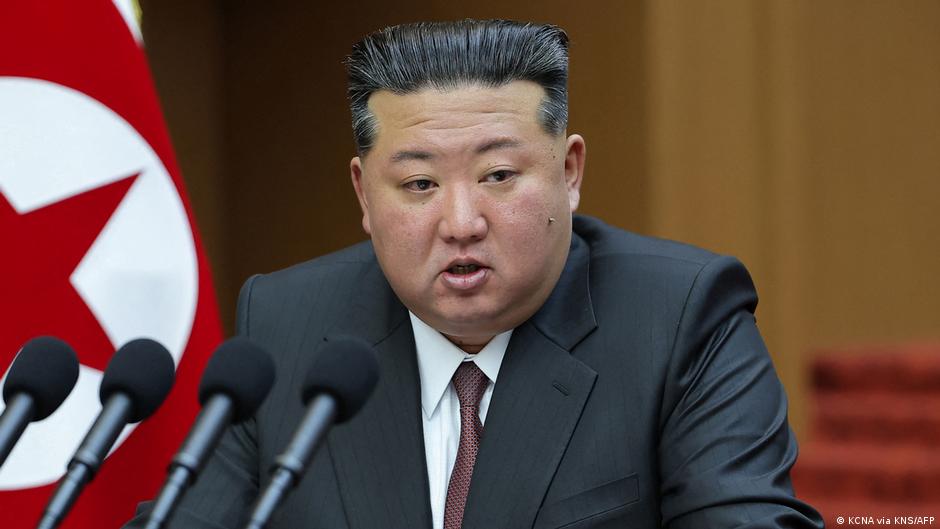
North Korea's recent series of missile tests has generated notable reactions across global financial markets, particularly impacting defense stocks and sparking sector rotation on Wall Street. The missile launches, involving tactical ballistic, artillery, and high-precision cruise missiles, were conducted under the supervision of North Korean leader Kim Jong Un, who expressed strong satisfaction with the outcomes.
Market Response and Sector Rotation
On May 26, North Korea executed multiple tests of short-range ballistic and artillery rockets directed toward the Yellow Sea from the Chŏngju region in North Phyongan Province. These developments have pressured investors to reassess risk exposure and the outlook for defense-related equities.
Following the news, defense sector stocks, including major aerospace and weapons manufacturers, experienced increased trading volumes and a notable uptick in share prices. Analysts have highlighted the tests as a potential catalyst for sustained demand in defense contracts, prompting equity research firms to revise earnings forecasts upward for companies specializing in missile defense systems and advanced weaponry.
"The missile tests represent a clear signal of growing military capabilities, which is reflected in renewed investor interest in defense equities," noted one equity strategist. "We anticipate continued sector rotation favoring aerospace and defense as geopolitical risks intensify."
At the same time, some investors have rotated out of traditionally defensive utilities and consumer staples sectors in favor of stocks poised to benefit from increased government defense spending. Trading desks report spikes in options activity and volume across defense ETFs and individual stocks, indicating heightened speculative and hedging activity.
Technological Advancements and Strategic Implications
The North Korean leader praised the tactical cruise missile for its advanced navigation systems, including terrain mapping and artificial intelligence-guided targeting capabilities. These features allow precise strikes within a 100-kilometer radius, underscoring improvements in missile accuracy and operational effectiveness.
This technological leap has prompted analysts to reassess the strategic threat landscape, with implications for U.S. defense posture and procurement priorities. The enhanced missile capabilities could accelerate demand for countermeasure technologies and missile defense solutions, reinforcing the bullish outlook for related equities.
Overall, North Korea's missile tests have injected a new dimension of geopolitical risk into markets, influencing trading patterns and investor sentiment toward defense sectors. Market participants remain vigilant as developments unfold, balancing risk management with opportunities arising from increased defense expenditures.