Latvian President Warns NATO to Prepare for Possible Escalation with Russia Ahead of Summit
Edgars Rinkēvičs emphasizes NATO must demonstrate proportional response readiness amid concerns over Europe’s defense capabilities.
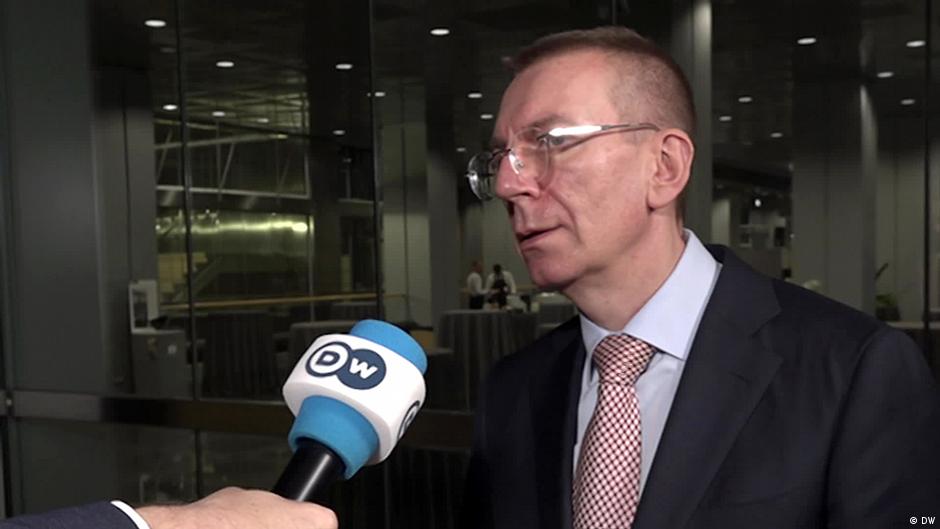
Latvian President Edgars Rinkēvičs has called for NATO to prepare for a potential escalation in conflict with Russia, underscoring the alliance’s need to send a clear message of proportional response in case of direct confrontation. Speaking ahead of the NATO summit in Ankara, Rinkēvičs highlighted concerns about insufficient European defense capabilities despite increased spending commitments.
Implications for Defense Spending and NATO Readiness
In an interview on July 3, Rinkēvičs criticized current European defense expenditures as inadequate, noting that although NATO members agreed last year to raise defense spending to 5% of GDP, this target alone does not guarantee enhanced military strength. He pointed out that the issue lies less with funding levels and more with the actual availability of weapons, missiles, and military equipment necessary to translate budgets into operational power.
"Money is very important, but it is necessary to have the weapons, missiles, and equipment that can be acquired with these budgetary funds," Rinkēvičs said.
He also emphasized the irreplaceable role of the United States as a defense partner for Europe, irrespective of political rhetoric from some European leaders. This perspective signals ongoing reliance on US military support amid growing regional tensions.
Geopolitical Context and Market Impact
The president's remarks arrive in the context of heightened geopolitical uncertainty as NATO prepares for its upcoming summit. This atmosphere is likely to influence market sentiment, particularly within defense sector equities and broader risk assets.
Stocks of major defense contractors could see increased investor interest due to anticipated escalation risks and potential boosts in defense budgets. Sector rotation toward aerospace and defense may occur as traders weigh the likelihood of sustained military spending growth.
Meanwhile, European equities could experience volatility driven by concerns over regional security and economic implications of prolonged conflict. Trading volumes in affected sectors might rise as investors adjust portfolios to geopolitical developments.
Equity research reports are expected to revisit forecasts for defense companies, incorporating the possibility of accelerated procurement programs and enhanced NATO commitments. Analysts may also assess risks for energy and commodity markets given the strategic significance of the region.
Regional Security and Political Developments
On July 3, Rinkēvičs met with German Chancellor Friedrich Merz alongside Estonian Prime Minister Krišjānis Kariņš and Lithuanian President Gitanas Nausėda in Berlin. Following the meeting, Chancellor Merz stressed that "the security of the Baltics is also Germany’s security," reinforcing the solidarity among NATO members in facing regional threats.
Rinkēvičs reiterated that achieving peace in Ukraine is impossible without active European involvement and affirmed Latvia’s EU membership as integral to its security interests.