Hungarian Political Shift: Orban Quits Parliament, Market Eyes Sector Rotation and Stock Impact
Viktor Orban relinquishes his parliamentary mandate as Hungary's new government signals policy shifts, impacting regional markets and investor sentiment.
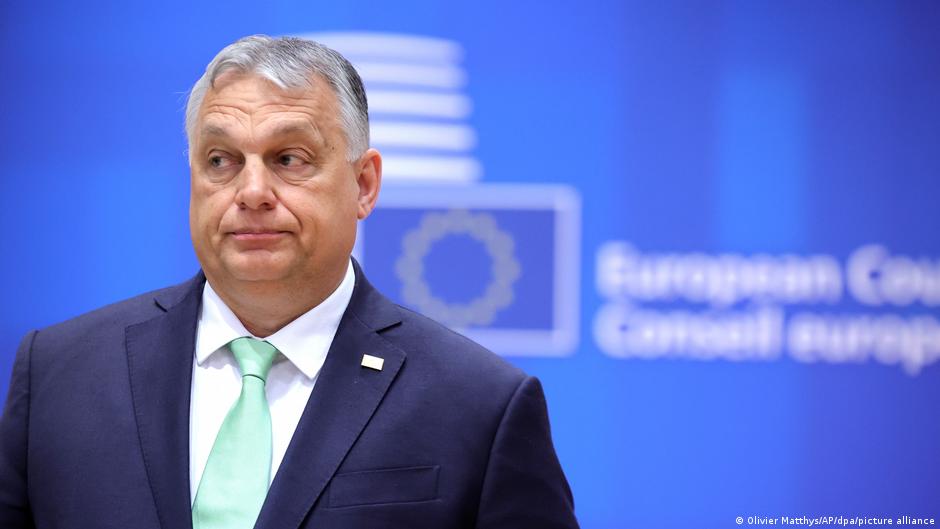
Viktor Orban, Hungary's long-serving Prime Minister and leader of the Fidesz party, has announced his decision to forgo his parliamentary mandate following his party's defeat in the recent elections. While stepping away from the legislative assembly, Orban intends to remain the chairman of Fidesz and focus on reorganizing the national movement. This political transition marks a significant turning point for Hungary, with implications that ripple through European markets and influence sector rotations.
Leadership Changes and Market Implications
Orban’s withdrawal from parliament paves the way for Gergely Gulyás, his former prime ministerial chancellery chief, to assume leadership of the Fidesz-KDNP parliamentary group. Meanwhile, Peter Magyar, leader of the victorious opposition party Tisza, is set to become Prime Minister on May 9. Magyar's agenda promises to reverse several of Orban’s controversial policies, including halting Hungary's planned exit from the International Criminal Court (ICC) and ceasing resistance to European Union credit allocations to Ukraine.
"The mandate I received as the leading candidate of the Fidesz-KDNP coalition is effectively a Fidesz mandate, and I have decided to renounce it," Orban stated, emphasizing his role in party reorganization over parliamentary duties.
These political shifts are expected to prompt a rotation in market sectors, particularly those sensitive to geopolitical dynamics and EU funding. Hungarian equities, especially in sectors previously bolstered by government favor or shielded by Orban’s policies, may face increased volatility. Investors are closely watching financials, energy, and infrastructure sectors for signs of repositioning as new leadership influences regulatory frameworks.
Furthermore, the easing of Hungary’s opposition to EU support for Ukraine signals a potential thaw in regional trade and finance relations. The decision to allow EU credits to flow, following Ukraine’s resumption of Russian oil transit via the Friendship pipeline, could stabilize energy supplies and commodity markets. However, Magyar’s reluctance to directly involve Hungary in funding Ukraine introduces complexities that market analysts will monitor for risk assessment.
Geopolitical Realignment and Trading Volume Effects
Orban’s known ties with Vladimir Putin and refusal to comply with ICC arrest warrants for Israeli Prime Minister Benjamin Netanyahu had previously isolated Hungary diplomatically. The new government, while maintaining pragmatic ties with Russia, is expected to pursue a more balanced foreign policy. This recalibration may reduce geopolitical risk premiums on Hungarian assets and affect trading volumes in related stocks.
According to equity research analysts, the political transition could trigger increased trading activity as institutional investors reassess country risk and sector exposure. Stocks linked to defense, energy imports, and EU-funded projects are forecast to experience the most significant shifts. Enhanced transparency and alignment with EU policies under Magyar’s leadership might attract foreign direct investment, positively influencing liquidity in Hungarian markets.
Market participants are advised to monitor upcoming party congress decisions, scheduled for June, which will clarify Orban’s continuing role and the Fidesz party’s strategic direction. This period of uncertainty and policy change underscores the importance of a cautious, research-driven approach to equities linked to Hungary’s political landscape.