Disinformation Campaign Claims Stolen Cezanne Painting Found in Ukrainian President’s Office
Fake BBC report about a stolen Paul Cezanne painting in Zelensky’s office circulates amid Russian-linked disinformation efforts.
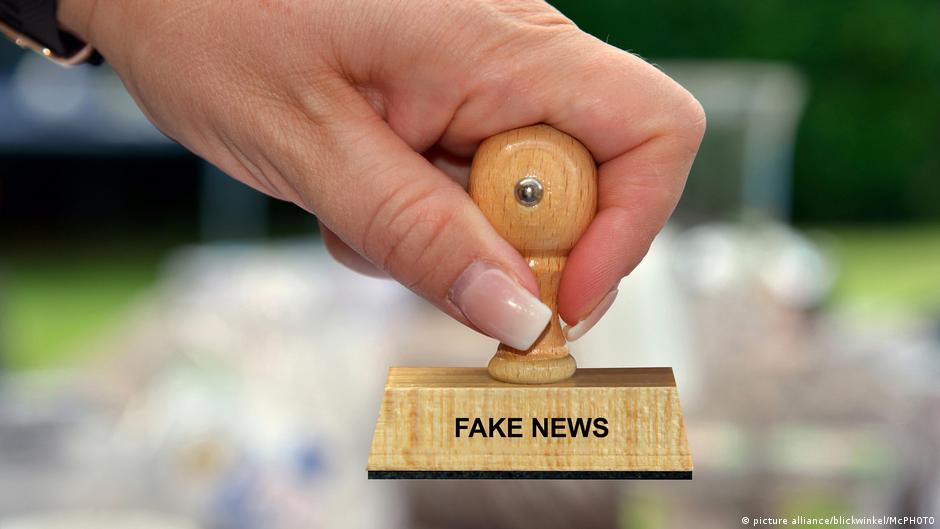
A fabricated news segment purporting that a stolen Paul Cezanne painting, "Still Life with Cherries," was found in Ukrainian President Volodymyr Zelensky's office has been widely circulated online. The false video, featuring the BBC News logo, did not originate from the British broadcaster and has been debunked by its representatives as entirely fake.
On April 24, major European media outlets France 24 and Euronews conducted investigations into the disinformation, revealing that the hoax claimed Zelensky had received the artwork from organized crime. The deceptive clip alone amassed over 400,000 views on a single social media profile within hours.
Russian-Linked Disinformation Network Behind the Hoax
In reality, the paintings visible in Zelensky’s office were created by Ukrainian artist Andriy Chebotaru. The hoax video is emblematic of tactics used by the "Storm-1516" disinformation network, which France 24 and the Gnida Project have linked to the Russian military intelligence agency, the GRU.
"This network has been active for three years, orchestrating disinformation operations targeting France and Western countries," according to reports, including from Viginum, the French agency combating foreign interference.
"Storm-1516" is publicly tied to the GRU and Moscow's "Center for Geopolitical Expertise," which has been sanctioned by the US Treasury. Euronews further associates the disinformation campaign with the Kremlin-affiliated network "Matryoshka."
The spread of fake media content under the guise of reputable outlets represents a classic misinformation strategy designed to sow confusion and undermine trust in democratic leadership, particularly amid the ongoing conflict involving Russia and Ukraine.
From a market perspective, such coordinated disinformation efforts can elevate geopolitical risks, influencing investor sentiment and potentially triggering sector rotation and shifts in trading volumes, especially in defense, cybersecurity, and media-related stocks.
Equity research analysts are advised to monitor geopolitical narratives and their potential impact on market volatility, as well as the reputational risks faced by media companies falsely implicated in such schemes.