Ryanair to Close Berlin Base, Halve Flights Amid Rising German Aviation Costs
Ryanair will cut Berlin flights by 50% and close its base due to rising airport fees and aviation taxes in Germany.
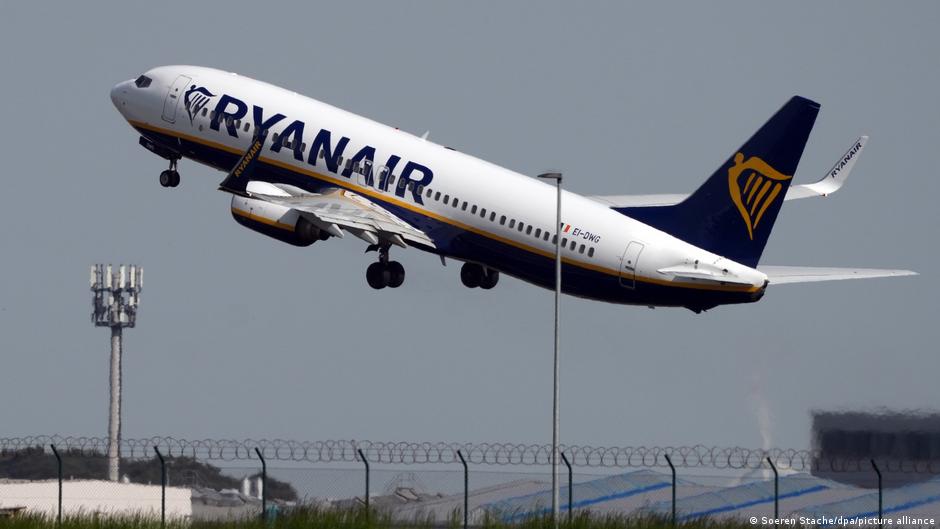
Irish low-cost carrier Ryanair announced plans to close its operational base at Berlin Brandenburg Airport by October 24, 2026, significantly impacting its presence in Germany’s capital. The airline will withdraw all seven aircraft stationed there and reduce the number of annual flights to Berlin by half, resulting in a drop in yearly passenger traffic from 4.5 million to 2.2 million.
Financial Pressures and Sector Implications
This strategic move highlights mounting financial pressures on budget airlines operating in Germany, where airport fees and aviation taxes have surged sharply in recent years. Ryanair attributes the decision to Germany becoming "too expensive" for low-cost air travel, citing that airport charges at Berlin Brandenburg have increased by 50% since the Covid-19 pandemic, despite passenger numbers dropping by 30%, from 36 million in 2019 to 26 million in 2025.
"Germany’s aviation policy has let its citizens down by relying on high aviation taxes and airport fees," said Ryanair in a company statement.
Specifically, the airline pointed out several tax increments: the aviation tax per passenger doubled from €7.30 to €15.50 since 2019; security fees increased from €10 in 2024 to an expected €20 per passenger by 2028; and air traffic control charges more than tripled from €1 to €3.30 per passenger. Further, Berlin Brandenburg Airport announced plans for an additional 10% hike in charges between 2027 and 2029.
In response, Berlin Brandenburg Airport officials denied any planned fee hikes as described by Ryanair and characterized the closure announcement as unexpected. Negotiations between the airline and airport management are ongoing.
Sector Rotation and Market Impact
Following the closure, Ryanair plans to redeploy its aircraft to lower-cost airports within other European Union countries that have abolished aviation taxes, including Sweden, Slovakia, Albania, and Italy. This shift reflects a broader sector rotation trend favoring markets with more favorable regulatory and cost environments, potentially impacting regional traffic flows and competition.
Ryanair's Chief Executive Eddie Wilson characterized German aviation as "in crisis" and criticized the absence of government strategies to reduce taxes and fees, which he views as key to maintaining airline competitiveness. This announcement follows previous base closures in Germany, including Frankfurt, Düsseldorf, and Stuttgart, along with cancellations of flights from Dresden, Leipzig, and Dortmund.
From an equity perspective, Ryanair’s decision may influence investor sentiment around European budget carriers and related airport operators. The move underscores the vulnerability of airlines to regulatory cost environments and could drive increased scrutiny of sector dynamics, including flight network optimization and cost management strategies.
Moreover, Ryanair has announced forthcoming consultations with Berlin-based staff, assuring that all flight crew members will have opportunities within the broader Ryanair network as the carrier plans to accelerate passenger growth across other European hubs.