Global Oil Inventories Plunge Record 200 Million Barrels Amid Middle East Conflict
S&P Global and Goldman Sachs report unprecedented supply drawdown despite falling demand due to US-Iran tensions.
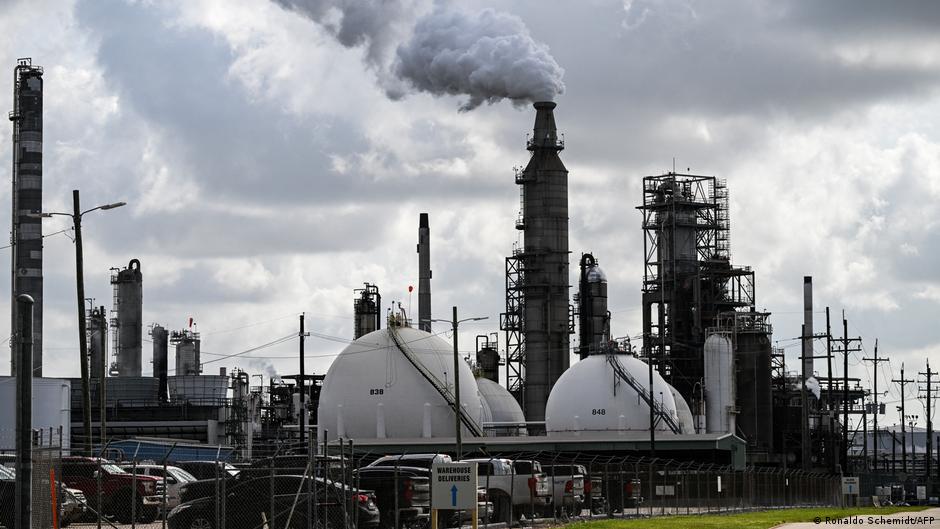
Global oil inventories shrank by a record 200 million barrels in April, according to recent analyses by S&P Global Energy and Goldman Sachs. This sharp decline occurred despite a significant drop in demand driven by soaring crude prices, which have surged amid escalating conflict between the US and Iran.
The conflict involving the US and Israel against Iran has severely disrupted oil supply chains, leading to an unprecedented drawdown in stockpiles. S&P Global calculated that crude inventories decreased by roughly 6.6 million barrels per day last month, even as demand fell by 5 million barrels per day — marking the second-largest demand decline in recorded history. The only sharper drop occurred during the COVID-19 pandemic.
Goldman Sachs corroborates these findings, highlighting that global oil stocks are nearing their lowest levels in eight years. Additionally, data from the Argus agency indicate that aviation fuel inventories in Northern Europe reached a six-year low in April.
While Asia has so far borne the brunt of supply constraints, the United States faces its own supply challenges. Gasoline inventories are projected to hit historic lows during the summer peak travel season, raising concerns about potential price spikes and supply shortages.
Market Implications and Sector Rotation
The geopolitical tensions and resulting supply deficits have significantly impacted oil markets, with traders warning that global oil inventories are approaching a critical threshold that could be breached within weeks. The blockage of the Strait of Hormuz and the broader Middle East conflict have collectively removed approximately 1 billion barrels of oil from the market.
"This is a scale far beyond usual ranges," noted Jim Burkhard, head of oil market research at S&P Global Energy. "The market has yet to fully react to these record inventory declines, so further price increases are likely ahead."
From a Wall Street perspective, this situation is prompting notable sector rotation as investors reconsider exposure to energy stocks. The sharp drawdown in inventories and potential for sustained price hikes are driving renewed interest in upstream oil producers and integrated energy companies. Increased trading volumes in energy equities reflect heightened market attention amid these supply constraints.
Equity research analysts are revisiting forecasts for oil majors and mid-cap producers, anticipating improved earnings amid tight supply conditions. Meanwhile, downstream and refining sectors could face margin pressures given operational challenges linked to inventory shortages.
Overall, the oil market dynamics induced by the geopolitical crisis are poised to shape trading strategies and sector allocations significantly in the coming months. Investors are closely monitoring inventory data, conflict developments, and related economic indicators to navigate this volatile environment.
Despite the estimated total global oil stocks standing at approximately 4 billion barrels, much of this volume is tied up in essential daily operations such as refinery throughput and pipeline transport. This limits the available buffer to absorb supply shocks, increasing market sensitivity to further disruptions.