German Islamist Threats Raise Security Concerns Amid Rising Radicalization Cases
Germany registers 410 Islamist-linked threats, impacting public safety and prompting calls for enhanced counterterrorism measures.
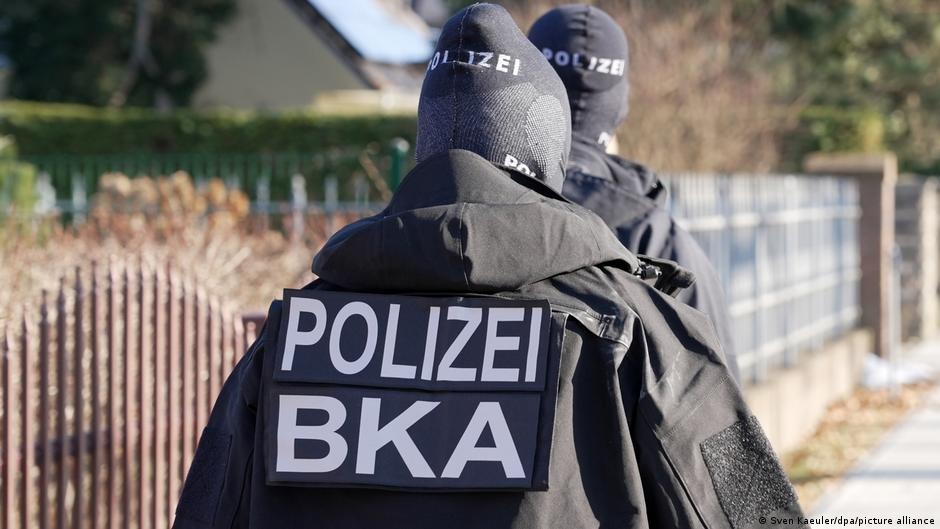
Germany currently identifies 410 individuals as threats linked to Islamist extremism, according to the Federal Criminal Police Office (Bundeskriminalamt, BKA) as of July 1, 2026. This figure highlights ongoing challenges in countering radicalization and securing public safety.
Impact on Public Security and Policy Responses
The designation of these individuals as threats implies their capability to commit severe violent crimes, including terrorist attacks. Beyond Islamist extremism, the BKA also classifies 65 potential right-wing extremists and 17 potential left-wing extremists. The federal states are responsible for maintaining and updating the threat lists, which fluctuate based on individual case assessments.
In the first half of 2026 alone, the Federal Office for Migration and Refugees’ (BAMF) Radicalization Consultation Center recorded 165 consultation requests, reflecting sustained public concern. These requests, comparable to 2023 levels, often originate from official institutions such as schools, as well as families of those suspected of radicalization. Notably, parents represent the largest group seeking advice. The average age of individuals potentially radicalized is just under 19 years, underscoring the vulnerability of youth.
“The need for consultation regarding Islamist radicalization remains high and consistent with previous years,” a BKA representative stated, emphasizing the persistent nature of the threat.
The October 7, 2023, terrorist attack by the Palestinian Islamist militant group Hamas on Israel marked a turning point, sharply increasing societal sensitivity and consultation requests regarding radicalization.
Recent Attack and Security Sector Reactions
A tragic Islamist-motivated attack occurred during Berlin's LGBTQ+ Pride Parade (Christopher Street Day, CSD) on July 25, 2026. A 21-year-old suspect, Abdul B., drove a white van into the crowd near Brandenburg Gate, subsequently stabbing several participants. The attack resulted in one fatality and 29 injuries. Authorities have linked Abdul B. to Islamist circles and noted his prior detention on terrorism preparation suspicions. He was conditionally released in May 2026 after serving time in a juvenile correctional facility.
Abdul B., a German citizen of Lebanese descent, had previously attempted travel to Syria to join the Islamic State. His actions have triggered intensive debate among security officials regarding preventive measures and management of individuals deemed security risks.
Dirk Peglow, leader of the German Criminal Police Union (BDK), criticized the handling of high-risk individuals, arguing that release from custody should not lead to reduced surveillance. He advocated for implementing de-radicalization initiatives during incarceration and continuing support post-release.
Bavarian Interior Minister Joachim Herrmann condemned the Berlin court’s decision to issue a suspended sentence to Abdul B. for preparing a violent offense, describing it as a "catastrophe" in light of subsequent events.
These developments have implications for investors and market participants, particularly within sectors sensitive to geopolitical instability and security concerns.