German CDU/CSU Leader Advocates for Transfer of Ukrainian Drone Technologies to Boost Defense Sector
Bavarian Christian Social Union urges a government pact to acquire Ukrainian UAV tech amid geopolitical tensions.
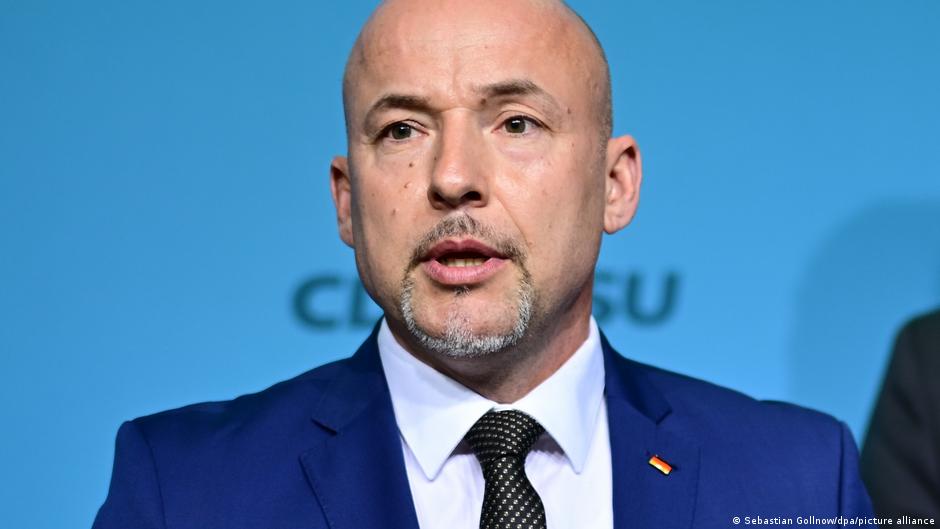
The chairman of the Bavarian Christian Social Union (CSU) parliamentary group in the Bundestag, Alexander Hoffmann, has called for Ukraine to transfer its cutting-edge combat drone technologies to Germany. Hoffmann stressed the importance of a formal intergovernmental agreement between Berlin and Kyiv to facilitate the transfer of these advanced UAV (unmanned aerial vehicle) capabilities to the German military.
Strategic Defense Collaboration and Sector Implications
Speaking in an interview published on July 25, Hoffmann emphasized that Ukraine’s recent innovations in drone technology, counter-UAV systems, and cruise missiles represent a significant strategic asset. "We believe that Ukraine must provide dividends in return for our support," Hoffmann said, highlighting that Germany remains committed to assisting Kyiv under any circumstances. However, he argued that these advances should translate into tangible benefits for German defense capabilities.
"Germany must participate in these weapons innovations to strengthen our own defense and deterrence capabilities," Hoffmann stated.
The CSU forms part of Germany’s ruling conservative bloc alongside the Christian Democratic Union (CDU), which together lead the current coalition government, also including the Social Democratic Party (SPD). This political context underscores the growing momentum behind enhancing Germany’s indigenous defense technology through international cooperation.
For the German defense industry and equity markets, Hoffmann’s proposal signals potential opportunities for sector rotation towards aerospace and defense stocks. Increased collaboration and technology sharing could accelerate German production of UAVs, increasing procurement and potentially impacting key defense contractors. Hoffmann underscored the need for rapid scale-up in drone manufacturing capacity, highlighting the strategic imperative amid ongoing security challenges.
Traders and investors should monitor how this evolving partnership might influence trading volumes and valuations within Germany’s defense sector. Equity research teams may revisit forecasts for companies involved in military UAV development and related technologies, anticipating government-backed growth initiatives.
Overall, Hoffmann’s call for a binding intergovernmental agreement to secure technology transfer from Ukraine reflects a broader trend of Western nations seeking to bolster their defense innovation pipelines in response to geopolitical uncertainties. This development could reshape sector dynamics on Wall Street, particularly for firms with exposure to European defense markets.