Fontainebleau Forest Fire Prompts Evacuations and Raises Market Concerns in France
Two suspects detained for suspected arson after massive forest fire near Paris impacts regional infrastructure and environment.
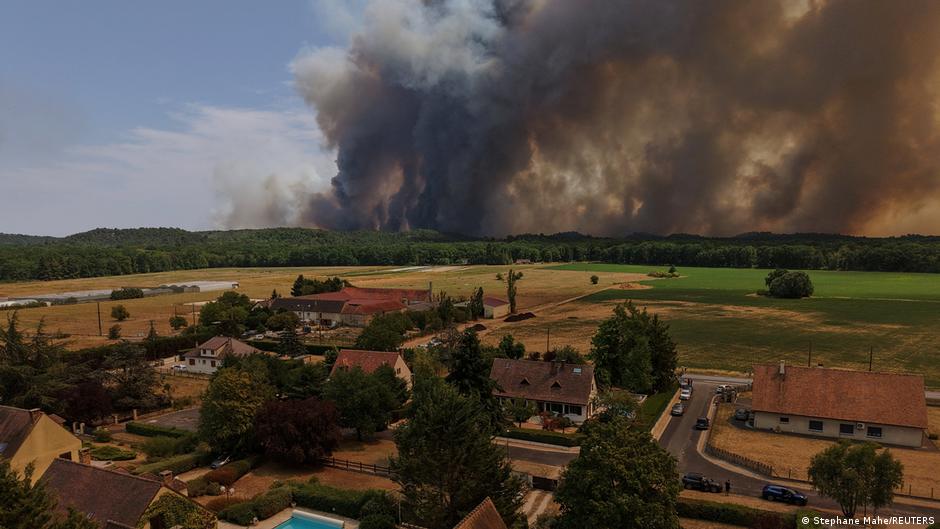
A major forest fire near Fontainebleau, approximately 60 kilometers southeast of Paris, has led to significant evacuations and raised concerns in several sectors, including insurance, utilities, and logistics. Two individuals have been detained on suspicion of either intentional or accidental arson, as authorities report over 1,300 hectares of forest devastated.
Market Implications of the Fontainebleau Wildfire
The fire, one of the most severe in the Paris suburbs in recent years, prompted the evacuation of around 1,000 residents. Emergency response involved roughly 600 firefighters and multiple aerial firefighting units, including four Canadair planes, two Dash aircraft, and three helicopters, which conducted a total of 187 water drops.
"The fire has not only caused environmental damage but also disrupted regional transport and logistics," said Jean-Marc Sicard, the commander of rescue operations.
Road closures resulted from the blaze, impacting major highways and potentially affecting transportation and delivery schedules for businesses in the region. The disruption to infrastructure and the extensive use of firefighting resources highlight the strain on local services amid ongoing heatwave conditions.
France is currently experiencing its third heatwave this year, with more than 32,000 hectares affected by wildfires countrywide—double the area affected during the same period last year. The surge in fires has led to increased scrutiny of regional utilities and emergency services, with implications for insurance claims and public sector budgets.
From an equity research perspective, companies in sectors such as forestry management, firefighting equipment manufacturing, and environmental risk insurance may face increased demand and operational challenges. Additionally, logistics firms operating in and around affected zones could experience volume fluctuations and increased costs due to route disruptions.
Investors are closely monitoring the broader implications of such climate-related events, as abnormal weather patterns continue to influence sector rotation and trading volumes on Wall Street and European markets. The heightened wildfire activity in France is part of a wider European trend, with record-breaking temperatures recorded across Western Europe in June 2026 according to the Copernicus Climate Change Service.
These developments underscore the growing need for companies and investors to factor environmental risks into their strategic planning and portfolio allocations, particularly those exposed to climate-sensitive regions and industries.