Belarusian Military Measures Target Undisciplined Agricultural Workers Amid Harvest Season
Belarus directs underperforming farm workers to military service as part of strict harvest mobilization, raising questions about labor discipline and sector impact.
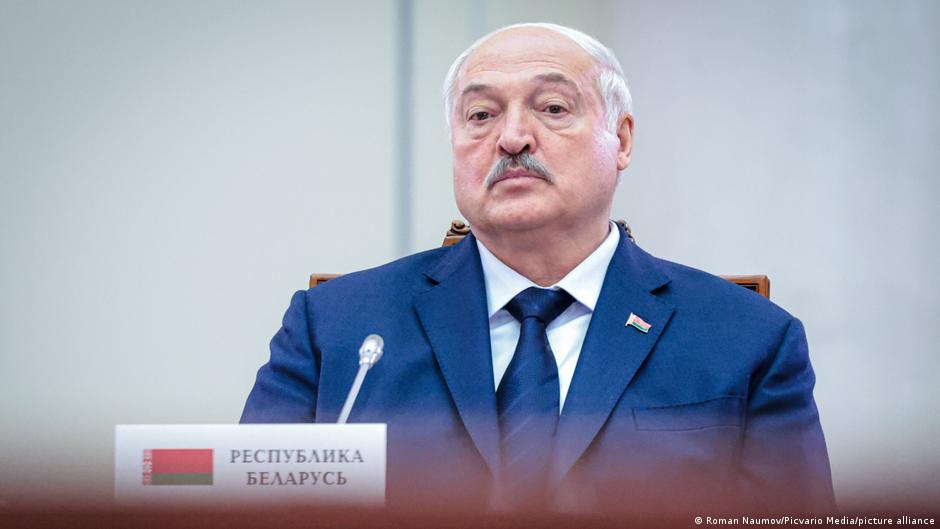
Belarusian President Alexander Lukashenko has ordered that agricultural workers who fail to meet work expectations during the harvest be reassigned to military service, a move aimed at enforcing labor discipline rather than expanding the army ranks.
Military Reassignment as a Tool for Labor Discipline
On July 30, Lukashenko clarified that the directive to send "undisciplined" farm laborers to so-called "military-educational activities" was not intended as punishment or mockery but rather as an alternative form of productive work. "If you don't want to work on this job, we will test you on another—a normal man's or woman's job in the army," he stated during a working visit to the Brest region. He emphasized that this approach is about offering an opportunity to prove oneself in challenging labor rather than harassment.
"This is not to scare anyone or to add to the army ranks. It is about the chance to show oneself in a different, tough job," Lukashenko said.
The president also expressed confidence in Belarus' potential for growth contingent on improved labor and technological discipline across all sectors.
Implementation and Military Involvement
The initial order was issued on July 21, directing that those "unable to work" be sent to the army and to the country's southern border, including forested areas where special operations forces are deployed. The presidential administration chief, Dmitry Krutoy, further elaborated on July 22 that such military service would last for two to three months and fall under a "strictest mobilization regime" during the harvest period.
Krutoy described that the Ministry of Defense would receive "undisciplined, errant workers, shirkers, drunkards, and slackers" for this service. The conditions would be "Spartan," allowing these individuals not only to improve their physical fitness but also to correct their behavioral shortcomings through useful labor benefiting the country's armed forces.
Market Implications and Sector Analysis
The Belarusian government's aggressive stance toward agricultural labor discipline is likely to affect regional agricultural production and labor market dynamics in the short term. This militarized approach to addressing labor shortages or inefficiencies may interrupt normal harvesting operations, potentially impacting commodity outputs and supply chains.
From a market perspective, this development could influence stocks related to agriculture, defense, and labor sectors within Belarus and neighboring regions. Investors and equity analysts should monitor shifts in agricultural production volumes, changes in labor allocation, and government policies that may signal broader sector rotation or altered trading volumes.
Moreover, the intertwining of military and agricultural labor raises concerns about workforce sustainability and efficiency, possibly precipitating volatility in equities sensitive to commodity production cycles.
Conclusion
Belarus' unusual policy of channeling underperforming agricultural workers into military service underscores a harsh approach to labor discipline amid critical harvest periods. While intended to bolster productivity and instill rigor, the measure's broader market repercussions warrant close scrutiny by investors and sector analysts focusing on Eastern European agricultural and defense industries.