Austria Plans to Extend Mandatory Military Service Amid Rising Security Concerns
Austrian government proposes increasing conscription to nine months with enhanced training to address evolving defense challenges.
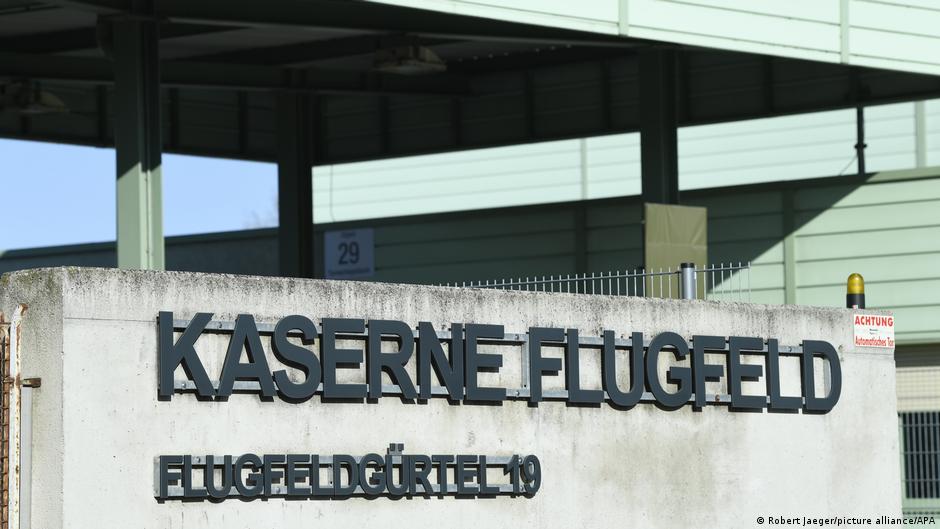
Austria's government has announced plans to extend the duration of mandatory military service from six to nine months, introducing new compulsory field exercises after the initial basic training period. This move reflects growing security concerns in Europe amid the ongoing conflict in Ukraine and escalating hybrid and cyber threats.
The reform, agreed upon by the country’s ruling coalition comprising the conservative Austrian People's Party (ÖVP), the Social Democratic Party (SPÖ), and the liberal Neos party, still requires approval by the Austrian parliament. The proposal aims to enhance the preparedness and operational capabilities of Austria's military forces.
Policy Details and Strategic Rationale
Under the new plan, conscripts will undergo six months of basic training followed by mandatory field exercises. These exercises can be completed at any point during the subsequent ten years, fostering a more flexible and sustained defense readiness model. The phased approach was largely shaped by recommendations from an expert commission tasked with evaluating Austria’s defense posture.
In addition to lengthening service, the government intends to make military service more attractive by increasing monthly pay to approximately 1,000 euros and introducing paid leave days for conscripts. Civilians serving in alternative services for nine months will initially be unaffected, though voluntary and later mandatory extensions of up to two months are planned starting in 2027 and 2028 respectively if conscription targets are not met.
"It is not enough to simply acquire new equipment if our soldiers lack sufficient practice in operating it during emergencies," said Federal Chancellor Christian Stocker, emphasizing the critical need for enhanced military readiness in light of Russia’s aggression in Ukraine.
The government attributes the reforms to a rapidly changing security environment, pointing to the Russian invasion of Ukraine, increased cyber and hybrid warfare risks, and threats to critical infrastructure. Austria’s historical military neutrality and non-membership in NATO underscore the importance of strengthening national defense capabilities independently.
Market and Sector Implications
From a financial markets perspective, Austria’s decision to bolster its military training and readiness may influence defense-related sectors and equities across Europe. Companies involved in defense technology, cybersecurity, and military equipment supply chains could see increased demand, potentially driving sector rotation towards industrials and technology firms specializing in security solutions.
Traders and equity researchers should monitor the potential rise in government defense spending and procurement activity in Austria and neighboring countries reassessing their defense postures. Increased conscription periods may also affect labor markets and economic productivity in the short term, with implications for sectors reliant on younger workforce demographics.
While Austria is a relatively small defense market on the global scale, its strategic position in Europe and emphasis on preparedness highlight broader regional trends influencing investor sentiment in defense and security equities. Ongoing geopolitical tensions are likely to sustain interest in companies delivering military training services, advanced equipment, and cybersecurity solutions.
Overall, Austria’s move represents a cautious but significant adaptation to a volatile security landscape, underscoring the intersection of policy shifts and sector dynamics that market participants should carefully analyze in the coming quarters.