US Senate Rejects Resolution to End War with Iran, Impacting Defense Stocks and Market Sentiment
Senate votes against limiting presidential war powers in conflict with Iran, raising questions on sector rotation and trading volumes.
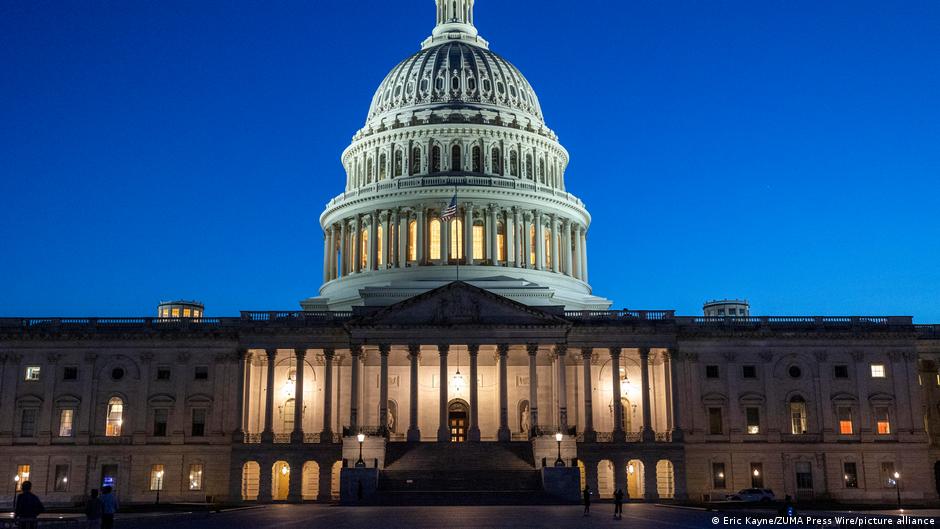
The US Senate has for the fourth time this year declined to restrict the president's authority to conduct military operations without congressional approval, voting down a resolution aimed at ending the conflict with Iran. The vote, which saw 52 senators oppose and 47 support, reflects ongoing political tensions and has significant implications for defense stocks and broader market dynamics.
Market Reactions and Sector Implications
The Senate's decision not to limit military action against Iran has elicited mixed responses from equity markets. Shares in defense contractors such as Lockheed Martin, Raytheon Technologies, and Northrop Grumman experienced an uptick following the vote, as investors anticipate sustained government defense spending amid ongoing geopolitical risks.
Conversely, sectors sensitive to Middle East stability, including oil & gas and airlines, showed increased volatility. Energy stocks surged on concerns over potential supply disruptions, while airlines saw mixed trading volumes as investors weighed geopolitical risks against recovery from the pandemic.
"The Senate's vote signals continued uncertainty in foreign policy, encouraging investors to favor defense and energy sectors while remaining cautious on travel-related stocks," said an equity research analyst.
The rejection of the resolution underscores the current political divide, with Republican majority control influencing the outcome. Democratic senators, who initiated the resolution, argue that the military campaign against Iran is unauthorized and have pledged to persist with efforts to limit executive war-making powers.
Legal and Political Context Affecting Market Sentiment
The resolution sought to compel the Trump administration to halt military operations and withdraw US forces from conflict zones unless Congress explicitly authorized further action. This legislative effort relates to the War Powers Act of 1973, which mandates congressional approval within 60 days of commencing hostilities. As the deadline approaches at the end of April, concerns about potential escalation or prolonged conflict have influenced market behavior.
Traders and institutional investors monitor ongoing congressional debates closely, as shifts in US foreign policy can trigger sector rotation and impact trading volumes. The defense sector, buoyed by expectations of continued government contracts, may attract additional capital inflows, while industries vulnerable to geopolitical instability face increased risk premiums.
Looking ahead, market participants anticipate that the Trump administration will present a more detailed strategy for de-escalation, potentially affecting risk sentiment and equity valuations across multiple sectors.