German Arms Exports to Israel Persist Amid Middle East Conflict, Impacting Defense Stocks
Despite partial embargo, Berlin approves millions in weapons exports to Israel during ongoing war, influencing defense sector trading dynamics.
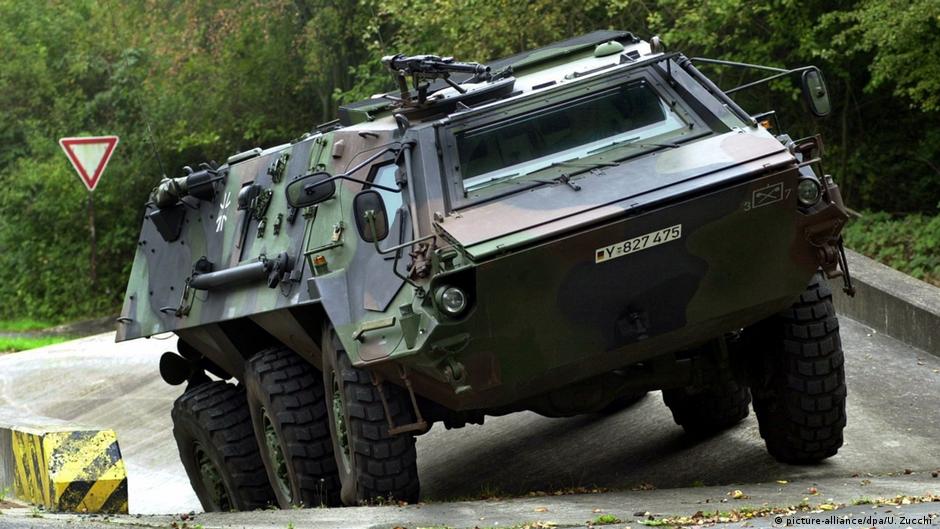
Germany has continued to approve arms exports to Israel worth millions of euros amid the ongoing conflict involving Israel and Iran, despite established export restrictions aimed at war zones. This development has notable implications for market activity, particularly in defense-related stocks and sector rotation among investors.
Export Approvals Amid War and Political Nuances
Since the onset of hostilities between the United States and Israel against Iran on February 28, 2025, Germany granted export licenses totaling €6.6 million in weapons shipments to Israel by March 27, 2025. These figures emerge from responses by the German Ministry of Economic Affairs to parliamentary inquiries, reported by the Deutsche Presse-Agentur (dpa).
Germany’s arms export policies, established in 2000, typically prohibit supplying weapons to active conflict zones. However, exceptions exist, notably for Ukraine’s defense against Russia and Israel, which is considered a unique case. Following the Hamas attack on Israel in October 2023, Germany initially increased arms exports to Israel, issuing licenses close to half a billion euros in value under Chancellor Olaf Scholz's administration.
Recently, the government led by Chancellor Friedrich Merz imposed a partial embargo on August 8, 2025, ceasing arms shipments that could be used in the Gaza conflict. Merz emphasized that solidarity with Israel does not equate to unconditional support for every military decision made by its government. This stance was met with criticism domestically and from Israeli officials alike. After about three and a half months, restrictions were lifted following a ceasefire agreement between Israel and Hamas, with export licenses during the embargo period amounting to €10.44 million.
“The interests of the military-industrial complex never serve peace—they fuel wars that cost countless lives and undermine economic well-being,” said Ulrich Thoden, a Left Party parliamentarian urging a full cessation of arms exports to Israel.
Market Implications and Sector Analysis
The continuation of arms exports despite political restrictions has influenced trading volumes and investor sentiment in the defense sector. German and international defense contractors with links to arms manufacturing for Israel have seen fluctuating stock performances as geopolitical risks remain elevated.
Following the partial embargo announcement, defense stocks experienced increased volatility, reflecting uncertainty over future government contracts and export policies. When restrictions eased, a moderate uptick in trading volume and share prices was observed, driven by expectations of resumed arms shipments.
Sector rotation trends indicate that some investors shifted capital from defense stocks toward sectors perceived as less exposed to geopolitical risks during the embargo period. However, with resumed exports, renewed interest in defense equities has emerged, reflecting the ongoing demand for military equipment and the strategic importance of suppliers in conflict zones.
Equity research analysts emphasize the need to monitor further political decisions as they directly impact the arms trade and, consequently, the financial performance of related companies. The evolving situation underscores the complex interplay between international politics and market dynamics.
Overall, Germany's arms export policies amid the Middle East conflict continue to shape investor behavior and sector performance, highlighting the broader market impact of geopolitical developments.