Ukraine Strike Puts Defense, Energy and Sanctions Risk Back in Focus
A Russian missile and drone attack that killed 28 people in Ukraine sharpened investor attention on defense shares, energy markets and sanctions exposure.
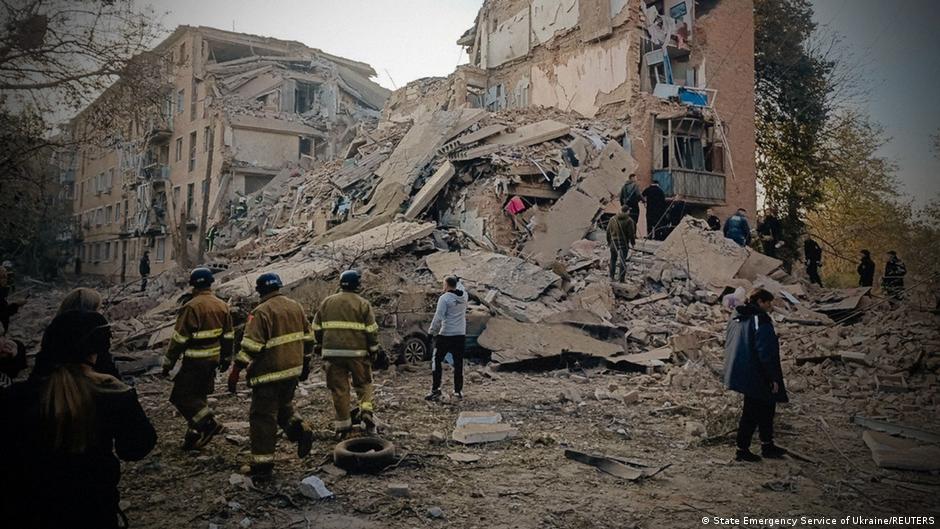
A large-scale Russian missile and drone attack on Ukraine that killed 28 people has returned geopolitical risk to the center of market discussions, with traders likely to reassess exposure to European defense, energy-linked equities and companies sensitive to sanctions policy.
Ukraine's interior minister, Ivan Vyhovsky, said 28 people were killed after Russian forces launched a massive attack using missiles and drones. In a Telegram post on Wednesday evening, October 7, he said emergency service workers and police had managed to pull people from rubble, evacuate residents from damaged buildings and rescue 29 people from fire. He added that debris-clearing work in Pryluky had continued for more than 14 hours after a missile hit a residential apartment building.
President Volodymyr Zelensky said in a separate Telegram post the same evening that 100 people were wounded in the attacks. He described the strike as combined, involving many ballistic missiles, many cruise missiles and Shahed drones. Zelensky said further strikes using Shahed drones and aerial bombs followed during the day.
"The strike was combined: many ballistic missiles, many cruise missiles, Shaheds," Zelensky said, according to the source article.
For Wall Street, the immediate question is not only the humanitarian toll but whether the attack changes expectations around Western policy, sanctions enforcement and future security spending. The source article did not report any trading figures, stock moves or analyst notes, but the events described are the kind of escalation that can influence sector rotation when markets are already sensitive to oil, defense budgets and European risk premiums.
Defense and Aerospace Watchlists Regain Attention
Defense and aerospace stocks are often among the first areas investors review after a major escalation in Ukraine, particularly companies with exposure to air defense, missile systems, drones, electronic warfare, munitions and European military procurement. The attack described by Ukrainian officials involved 70 missiles, significant ballistic capability and Shahed drones, according to Zelensky. That mix underscores the continued importance of layered air defenses and counter-drone systems in the conflict.
In equity research terms, the incident may reinforce existing bullish theses around multi-year defense spending rather than create a new one. Investors have already spent years pricing in higher NATO and European defense outlays, but fresh attacks on civilian infrastructure and residential areas can strengthen the political case for procurement continuity. U.S.-listed defense primes, European defense contractors traded over the counter or through foreign listings, and suppliers tied to sensors, interceptors and missile components may remain on institutional watchlists.
Still, the market impact depends on whether governments respond with new funding, accelerated deliveries or additional security commitments. The source material reports Zelensky's call for leaders not to remain silent, but it does not identify any new aid package, military contract or sanctions decision. That distinction matters for traders: headline risk can lift attention, while durable stock rerating usually requires policy follow-through or earnings visibility.
Energy and Sanctions Risk Stay Central
Zelensky connected the attack directly to sanctions policy, saying that the weakening of sanctions measures against Russia and signals about lifting sanctions on oligarchs send Moscow signals about the normalization of the war against Ukraine. He argued that President Vladimir Putin can still sell oil and that, when counting profits in dollars and euros, the war still pays for him.
That framing is important for energy markets and energy equities. Any renewed debate about Russian oil revenue, sanctions enforcement or export restrictions can affect investor views on crude supply, shipping, insurance, refiners and integrated oil companies. The source article does not state that new sanctions were imposed after the attack, nor does it report any oil price move. But Zelensky's comments place the issue of Russian energy revenue back into the policy conversation.
For Wall Street desks, the relevant equity question is whether sanctions rhetoric translates into operational constraints. Tougher enforcement can change expected cash flows for shipping, commodity trading, energy services and companies with indirect exposure to Russian supply chains. Conversely, signals of softer sanctions can affect the perceived geopolitical risk discount embedded in energy assets. Investors will be watching whether the attack prompts fresh statements from European or U.S. officials and whether any sanctions language targets oil revenue, financial intermediaries or individuals.
Regional Risk Premium and European Exposure
The attack reached across 13 regions of Ukraine, according to Zelensky, who said Russian forces used 70 missiles, many ballistic weapons and Shahed drones on October 7. Such breadth may feed investor concern about infrastructure damage, logistics disruption and longer-term reconstruction costs. The direct equity impact on U.S. markets may be limited without a corresponding policy or commodity shock, but broader risk sentiment can still shift when war headlines intensify.
Companies with meaningful European industrial, transportation, insurance, banking or commodity exposure may see renewed scrutiny from investors focused on regional risk. For global funds, the conflict remains one variable in allocation decisions between U.S. equities, European equities, energy producers, defense manufacturers and more economically sensitive sectors. The source article provides no market data, so any trading implications remain an equity-market inference from the reported events rather than a reported market reaction.
The heaviest reported toll was in Pryluky, in Ukraine's Chernihiv region. Vyhovsky said 20 people were killed there, including five children, three of whom were one year old. Vyacheslav Chaus, the head of the Chernihiv regional military administration, had earlier reported more than 50 injured as a result of the attack.
Zelensky described the strike as a problem not only for Ukraine and its people, but for everyone in Europe and the Western world. That is also the point at which geopolitical reporting intersects with market pricing. If Western governments treat the attack as further evidence of escalation, investors may position for continued defense demand, sanctions debate and energy-market volatility. If policy responses remain limited to statements, the effect may be more visible in watchlists and risk models than in sustained sector moves.
The next market signal will likely come from policymakers rather than from the battlefield alone. Traders will be looking for official reactions, any discussion of sanctions tightening or relief, and indications that Ukraine's air-defense needs could translate into new procurement decisions. Until then, the attack stands as a stark reminder that the war remains a live input for global equity strategy, especially across defense, energy and Europe-linked risk assets.