Fire Reported at Ryazan Plant Housing Yandex Data Center, Astra Says
A reported blaze at the Sasta machine-tool plant adds a fresh infrastructure risk marker for investors watching Russian cloud and industrial assets.
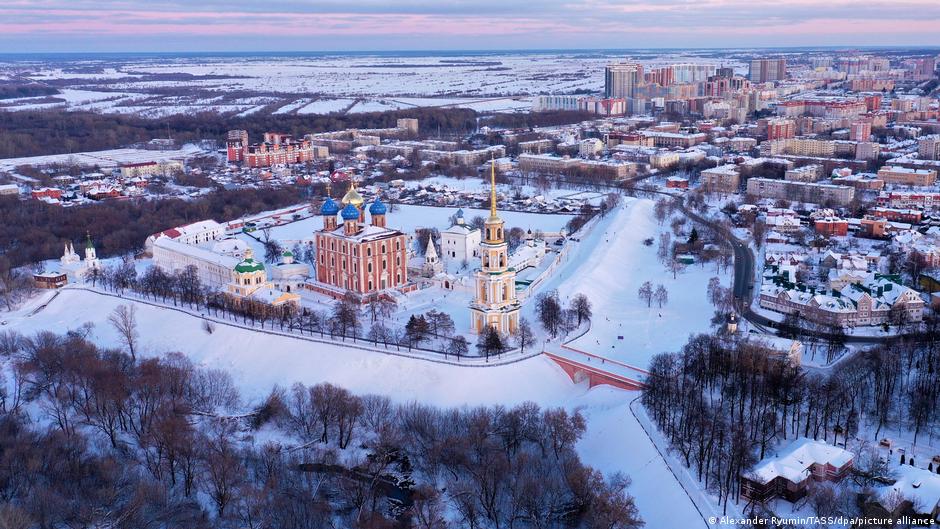
A fire broke out in Sasovo, in Russia's Ryazan region, on the grounds of the Sasta plant, where a Yandex DC data center is located, according to the Russian outlet Astra. The report places the incident at a site that links two market-sensitive themes for investors: industrial production capacity and digital infrastructure resilience.
Astra said its conclusion was based on OSINT analysis. The outlet reported that the fire began on the territory of the Sasta machine-tool plant, which also hosts a data center belonging to Yandex DC LLC. The message was published on Astra's Telegram channel overnight on Thursday, October 8.
“Last month, the data center workers themselves showed its equipment and directly stated that it is located in Sasovo, Ryazan region,” Astra said, according to the source article.
For equity markets, the immediate read-through is not a confirmed assessment of physical damage, but a headline risk around continuity of cloud operations and the exposure of technology infrastructure to industrial sites. Yandex-related assets are closely watched by investors for signs of stability in cloud services, data-center operations and corporate execution. Any incident near data-center capacity can draw attention from traders because cloud platforms are increasingly treated as critical infrastructure rather than a peripheral business line.
Cloud Infrastructure Becomes the Market Focus
After the initial report, Astra pointed to a message about power-supply disruptions affecting a separate availability zone of the Yandex Cloud platform. The source article says that about 40 minutes after those reports appeared, the Yandex Cloud team said the situation had stabilized. That timing matters for markets because cloud outages, even brief ones, can influence investor perception of operational resilience, particularly where enterprise customers depend on service availability.
The article does not say that the reported fire caused the Yandex Cloud disruption, and it does not provide data on physical damage, customer impact, trading volumes, or financial losses. A careful equity research view would therefore separate the verified facts from the market narrative. The fact pattern points to an operational event at or near a data-center site and a short-lived cloud availability issue, but it does not establish causality between the two.
Still, for investors focused on sector rotation, the report may feed into a wider reassessment of infrastructure risk across technology, telecoms and industrial names. Cloud providers can face valuation pressure when reliability is questioned, while industrial suppliers can come under scrutiny when production sites are linked to sanctioned sectors or strategically important supply chains. In thinner or more sentiment-driven trading, such reports can become catalysts even before companies disclose measurable financial effects.
Sasta's Industrial Role Raises Broader Risk Questions
Sasta specializes in the production of CNC metalworking machine tools, according to Astra. The outlet said the plant's equipment is used in the defense, aerospace, transport and heavy-industry sectors. That industrial profile makes the site relevant beyond the narrow question of the Yandex data center.
Astra wrote that Sasta's importance to Russia's military-industrial complex lies not in manufacturing finished weapons, but in supporting the production base. Its machines are used to make high-precision metal parts and assemblies, the outlet said. From a market standpoint, that framing puts the plant in the category of upstream industrial infrastructure: companies whose products support broader manufacturing chains rather than directly selling final defense systems.
The source article also says Sasta is under sanctions imposed by Canada, Switzerland, the European Union, the United Kingdom, Australia, New Zealand and Japan. Sanctions status is relevant for investors because it can restrict financing, supply chains, customer relationships and cross-border commercial activity. It can also increase the compliance sensitivity of any business relationship connected to the site, including technology infrastructure housed on the premises.
For Wall Street investors, the report is most likely to be read through three lenses. First is company-specific risk around Yandex-linked infrastructure and the reliability of Yandex Cloud. Second is industrial-sector exposure, given the plant's role in machine-tool production. Third is geopolitical risk, because the report arrives in the context of attacks on data and communications infrastructure in the region.
Regional Data-Center Risk Is Moving Up the Agenda
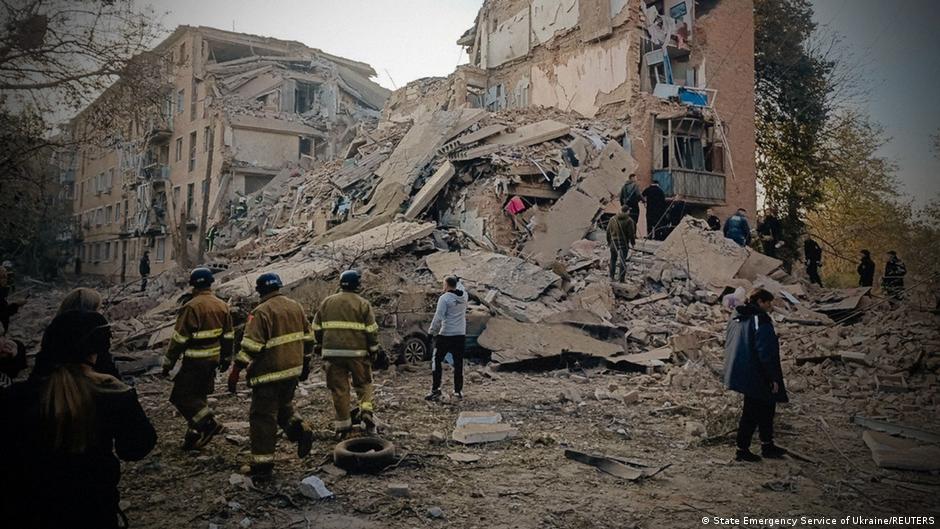
The source article recalls that on the evening of September 25, Russian armed forces began striking infrastructure belonging to the Ukrainian telecommunications operator Cosmonova, including a data center. As a result, Kyiv experienced disruptions to internet and television services, according to the article.
On October 3, Ukrainian President Volodymyr Zelensky commented on strikes against Ukrainian data centers. He said that such attacks affect people and are not military infrastructure. He asked how anyone could strike data centers and mobile communications, adding that communications are used not only in Ukraine but also in Moscow.
That context may sharpen the market's focus on data centers as exposed strategic assets. Public-market investors have increasingly valued digital infrastructure on the assumption of stable uptime, reliable power and predictable operating environments. Reports of fires, power disruptions or attacks near such assets can therefore affect sentiment across cloud, telecoms, data-center operators and industrial suppliers, even where direct listed-company exposure is complex or not fully disclosed.
Because the source article provides no securities prices, exchange data, analyst targets or company financial guidance, any immediate trading conclusion should be cautious. There is no basis in the source material to quantify the impact on Yandex-related equities, to identify unusual trading volumes, or to compare the event with prior outage-related moves. The clearest equity research takeaway is qualitative: investors may demand more visibility on data-center location risk, redundancy planning, power reliability and the operational separation between cloud assets and industrial facilities.
In practical terms, traders following Russian technology and industrial exposure would watch for additional statements from Yandex Cloud, local authorities, Sasta or emergency services. They would also monitor whether clients report continuing Yandex Cloud disruption after the company said the situation had stabilized. Until more information emerges, the event remains a headline risk rather than a confirmed earnings event.