UK King Charles III's US Visit Amidst Geopolitical Tensions Impacts Market Sentiment
King Charles III's official US visit coincides with strained US-UK relations over Iran conflict, influencing sector rotation and stock trading activity.
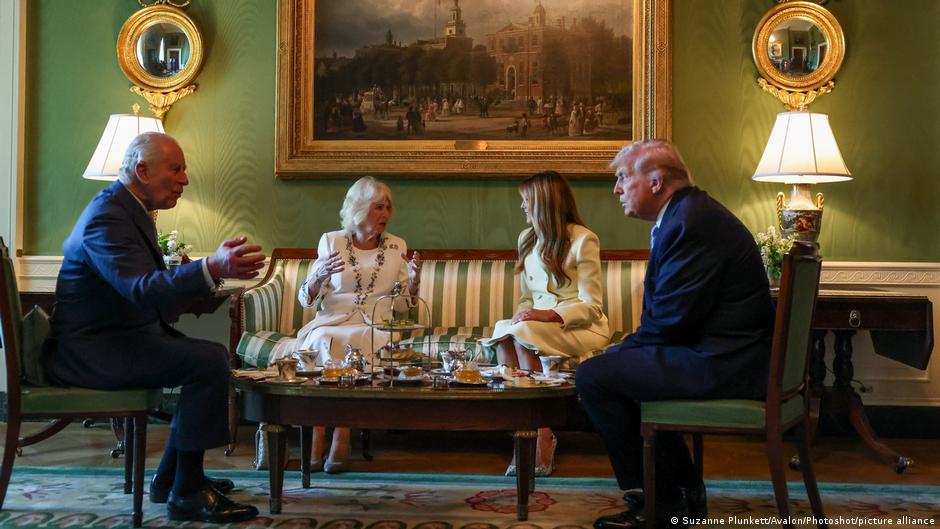
King Charles III of the United Kingdom and Queen Camilla arrived in the United States on April 27, marking the first British monarch visit since 2007. Their visit comes at a sensitive time amid deteriorating US-UK relations due to the ongoing conflict involving Iran. The royal couple was received by former President Donald Trump and First Lady Melania Trump at the White House.
Market Implications of the Diplomatic Visit
King Charles III’s visit carries significant geopolitical weight, as he plans to address both chambers of the US Congress, a rare occurrence not seen since Queen Elizabeth II’s speech in 1991. Following Washington, the royal delegation will attend a memorial event in New York for the victims of the September 11 attacks.
Financial markets have been responding cautiously to the visit, reflecting concerns about the fragility of US-UK relations amid the Iran conflict. In recent months, UK Prime Minister Keir Starmer’s refusal to allow US military use of British bases for strikes on Iran and his reluctance to send British naval vessels to the Strait of Hormuz have challenged transatlantic military cooperation. This has spurred sector rotation in equities, particularly affecting defense and energy stocks.
"King Charles III arrived in the US with a delicate mission to restore traditionally close Anglo-American relations shaken by the war involving Iran."
Former President Trump publicly criticized NATO allies, including the UK, labeling their fleets as outdated and alliance members as "cowards" due to their stance on the Iran war. He suggested the US might reconsider its NATO membership, which adds uncertainty to defense sector equities.
Energy stocks have also been volatile due to geopolitical tensions. UK Prime Minister Starmer’s focus on reducing dependency on foreign energy suppliers and investing in domestic energy infrastructure aims to insulate the British economy from global price manipulation. This policy stance has influenced investor sentiment, leading to increased trading volumes in renewable energy and energy infrastructure equities.
Trading Volumes and Sector Rotation
Market data since the announcement of King Charles III’s US visit shows increased trading volumes in UK-listed defense contractors and energy firms. Investors are adjusting portfolios to hedge against potential escalations or diplomatic resolutions between the US and the UK.
Equity research analysts highlight a cautious outlook for sectors directly impacted by geopolitical risk. Defense stocks face headwinds from strained military cooperation, while energy stocks could benefit from the UK's strategic pivot toward energy independence.
Moreover, the diplomatic visit’s timing following a shooting incident at the Washington Hilton hotel during a White House Correspondents' Association dinner underscores broader concerns about security and political stability in Washington, further impacting market sentiment and trading behaviors.
Though King Charles III’s visit is largely ceremonial, its geopolitical context has injected uncertainty into capital markets, prompting investors to closely monitor transatlantic relations and their potential influence on sector performance in the near term.