Trump Halts US Negotiator Travel to Pakistan Amid Iran Talks, Impacting Market Sentiment
President Trump suspends US delegation flights to Pakistan for Iran negotiations, citing US leverage and logistical concerns, influencing sector rotation and trading volumes.
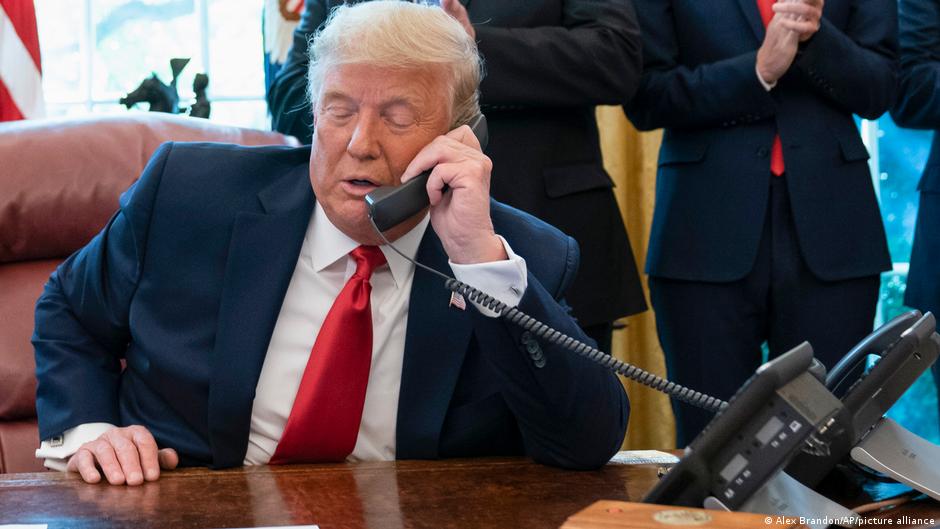
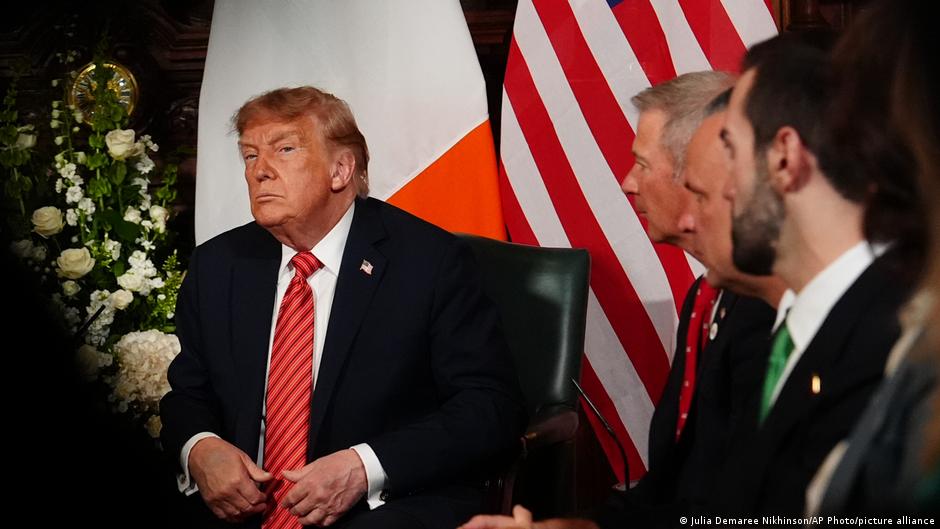
US President Donald Trump announced that American negotiators would no longer travel to Pakistan to engage in talks with Iran aimed at ending hostilities. In a recent interview on Fox News' The Sunday Briefing, Trump cited the United States' advantageous position in the conflict and rising logistical challenges as reasons for halting the trips.
"We hold all the cards," Trump stated. "If they want to talk, they can come to us or give us a call. We have secure communication lines, though it’s hard to guarantee any line is fully secure." He further noted that sending negotiators on 18-hour journeys was inefficient and unnecessary.
Market Implications Amid Diplomatic Standoff
Trump’s decision to cancel the scheduled trip of negotiators Stephen Witkoff and Jared Kushner to Islamabad, initially planned for the end of April, underscores a growing diplomatic impasse. The cancellation and Trump's declaration of US dominance in the matter have contributed to increased volatility in equities sensitive to Middle East developments, particularly energy and defense sectors.
The announcement follows Iran’s foreign minister Abbas Araghchi’s departure from Pakistan after delivering Tehran’s stance on realistic frameworks to end the conflict. Araghchi expressed skepticism about the US's commitment to diplomacy, highlighting uncertainty that is reflected in market risk premiums.
"Too much time is wasted on travel, too much work! Moreover, there is huge infighting and confusion in their leadership. No one knows who is in charge, including themselves," Trump wrote on social media, emphasizing US leverage.
Since the first direct talks in Islamabad on April 11, shortly after a ceasefire between the US and Iran was brokered, the lack of progress has reverberated through markets. The US imposed a blockade on the Strait of Hormuz the following day, with Iran accusing America of violating the ceasefire. Tehran has conditioned progress on the US lifting the blockade on Iranian ports, while Washington demands Iran halt its nuclear program developments — a core conflict driver.
Despite the diplomatic stalemate, a ceasefire remains in effect, initially set for two weeks and recently extended by Trump, citing an Iranian request. This ongoing, albeit fragile, pause is critical for market stability but leaves investors wary.
Sector rotation has been observed as traders shift away from risk-sensitive assets toward traditional safe havens and defense stocks, reflecting uncertainty over the US-Iran conflict’s trajectory. Trading volumes in energy stocks have fluctuated based on rumors of renewed hostilities or diplomatic breakthroughs.
Equity research teams are closely monitoring geopolitical developments, noting that prolonged tension without resolution could sustain elevated oil prices and bolster defense industry valuations. Conversely, any substantive diplomatic engagement could trigger a market rally in risk assets, particularly in sectors exposed to Middle Eastern supply chains.
Overall, Trump’s refusal to send delegation members abroad signals a hardened US posture that may temper diplomatic momentum and sustain volatility across markets sensitive to geopolitical risks.