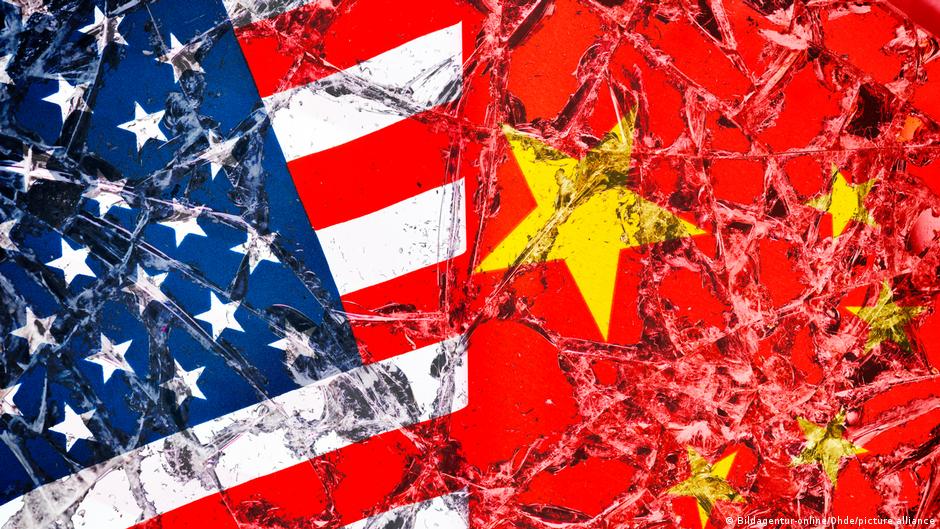
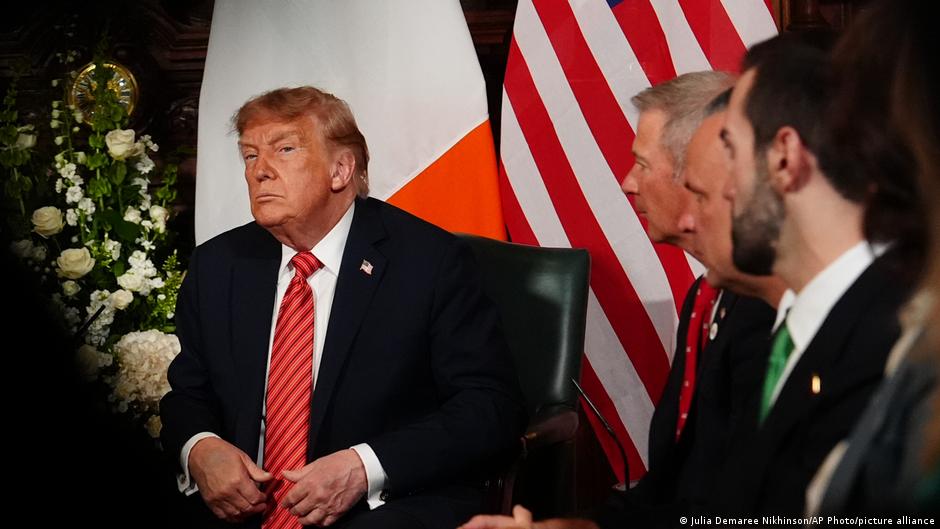
Trump-Si Jinping Meeting in Beijing Sparks Market Focus on China-US Trade and Geopolitical Risks
The high-profile summit between Donald Trump and Xi Jinping in Beijing highlights potential shifts in trade relations and emerging risks impacting Wall Street sectors.
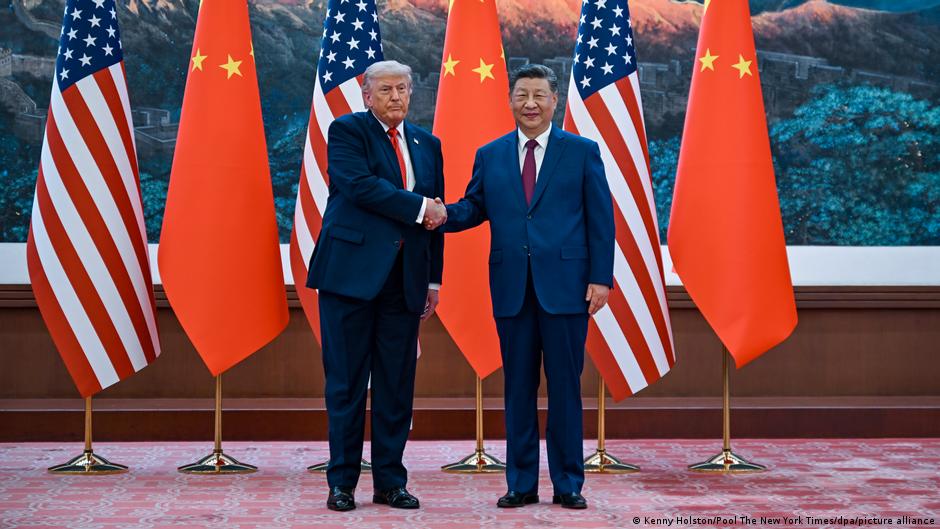
On May 14, Donald Trump, the former President of the United States, was ceremoniously welcomed by Chinese President Xi Jinping in Beijing. This highly anticipated meeting, held at the Great Hall of the People on Tiananmen Square, symbolized renewed dialogue between the two global powers amid ongoing geopolitical tensions.
Trump emphasized the optimistic prospects for Sino-American relations, stating, "For me, it is a great honor to be your friend, and relations between China and the USA will be better than ever before." Xi Jinping reciprocated by underscoring the importance of partnership over rivalry, noting that collaboration between the two nations benefits not only themselves but also the world at large.
Market Implications: Sector Rotation and Trading Volumes
Wall Street investors closely watched this summit as it signals potential easing of trade tensions and new avenues of economic cooperation. The presence of key American industry leaders, including Apple CEO Tim Cook and Tesla's Elon Musk, indicates a strategic emphasis on technology sectors that have been previously impacted by tariffs and export restrictions.
Equity research analysts anticipate that positive developments from these talks could foster increased investor confidence in Chinese tech and manufacturing stocks, as well as American companies with significant China exposure. This may prompt a sector rotation favoring technology, industrials, and energy sectors, especially those tied to rare earth metals and supply chain logistics.
"The summit could mark a turning point for trade dynamics, potentially alleviating headwinds for sectors reliant on Sino-American cooperation," said an equity strategist.
Geopolitical Risks and Strategic Trade Considerations
Among the critical topics discussed was the ongoing conflict involving the US, Israel, and Iran, with particular focus on the Strait of Hormuz. The US hopes China will assist in lifting the Iranian blockade of this vital maritime corridor. This issue carries significant implications for global energy markets and, by extension, energy sector equities.
China’s vested interest is clear, as its commercial vessels have been affected by the blockade, and its export-driven economy suffers from the global energy crisis that dampens global demand.
Further, the meeting reaffirmed attention on Taiwan and ongoing trade frictions. Past agreements, including those reached in October 2025 in South Korea, addressed reducing barriers on Chinese exports of rare earth metals and tariff adjustments related to the fentanyl crisis. Market participants will monitor whether these discussions translate into concrete policy easing, which could improve supply chain stability and reduce input costs for manufacturers.
Trump’s visit to Beijing, his first since 2017, lasted two days and was accompanied by senior US government officials, including Secretary of State Marco Rubio, Treasury Secretary Scott Bessent, and Defense Secretary Pete Hegseth. Their presence underscores the broad strategic scope of the talks.
Overall, the summit is poised to influence trading volumes and investor sentiment across multiple sectors, particularly technology, energy, and materials. Market watchers will be analyzing the outcomes carefully to adjust equity research models and portfolio allocations accordingly.