Russian Drone Strikes on Odessa Raise Market Concerns Amid Geopolitical Tensions
Drone attacks on residential Odessa exacerbate regional instability, impacting sector rotation and trading volumes on Wall Street.
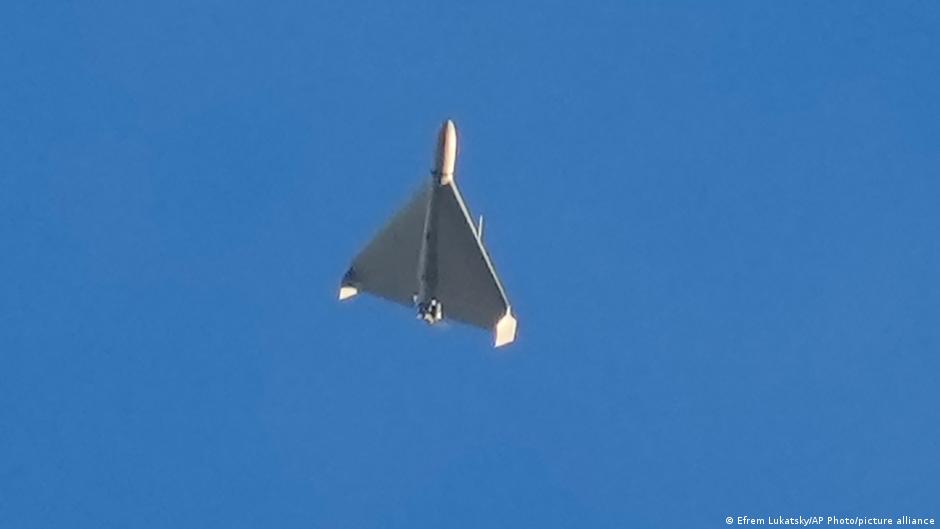
Russian military forces launched drone strikes on the Ukrainian city of Odessa during the night of April 24, targeting residential neighborhoods and causing injuries. The attacks have heightened geopolitical uncertainties, which are influencing investor sentiment and sector rotation trends in global markets.
Impact on Specific Stocks and Market Sectors
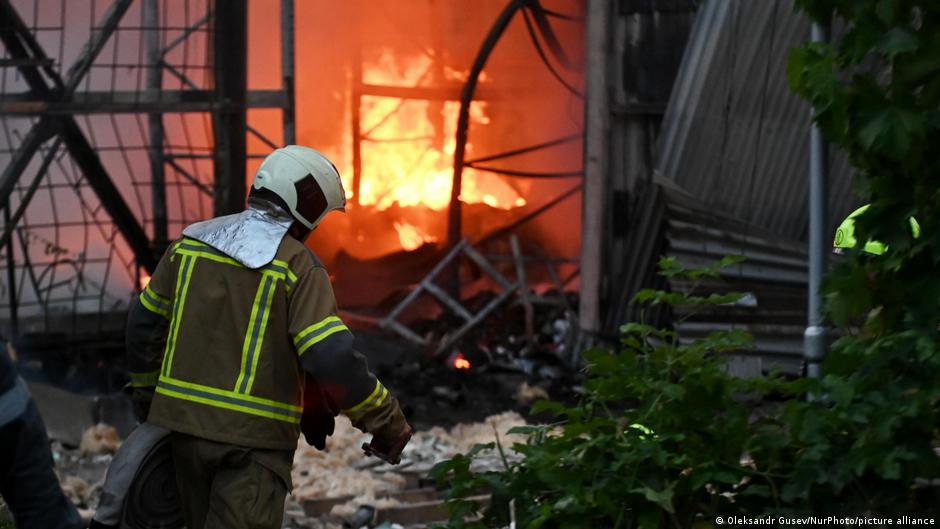
The drone strikes damaged two two-story and one three-story residential buildings, resulting in injuries to at least three people, including a 72-year-old woman and a 52-year-old man who sustained shrapnel wounds. The destruction extended to non-residential buildings and vehicles, with broken windows reported in adjacent structures. These developments have spurred cautious trading among investors, particularly affecting defense industry stocks and energy sectors, which are sensitive to escalating conflict risks.
"Information about casualties is still being clarified, but the strikes on residential areas underscore the ongoing volatility in the region," noted local authorities.
Wall Street equity research desks have observed a rotation towards sectors viewed as defensive amid the uncertainty. Utilities and consumer staples have attracted increased trading volumes, while cyclical sectors such as technology and consumer discretionary have faced selling pressure. Additionally, shares of companies with significant exposure to Eastern Europe have experienced heightened volatility.
Market analysts are carefully monitoring the evolving geopolitical landscape, as sustained conflict could further disrupt energy supplies and global trade flows, influencing commodity prices and inflation expectations. The strikes in Odessa serve as a stark reminder of the ongoing risks in the region, prompting investors to weigh the balance between risk and opportunity in their portfolios.
Trading volumes on Wall Street have reflected these shifts, with a notable increase in volume for defense contractors and energy producers, alongside a rise in volatility indexes. Investors are recalibrating strategies to hedge against potential spikes in geopolitical risk premiums.
As more information becomes available regarding the extent of damage and casualty figures, equity research teams continue to update their forecasts and recommendations, emphasizing the importance of diversification and risk management amid these uncertain conditions.