Israel-Lebanon Ceasefire Extension Boosts Middle East Stability, Influences Wall Street Sectors
Three-week extension of Israel-Lebanon ceasefire announced by Trump impacts market sentiment and sector rotations on Wall Street.
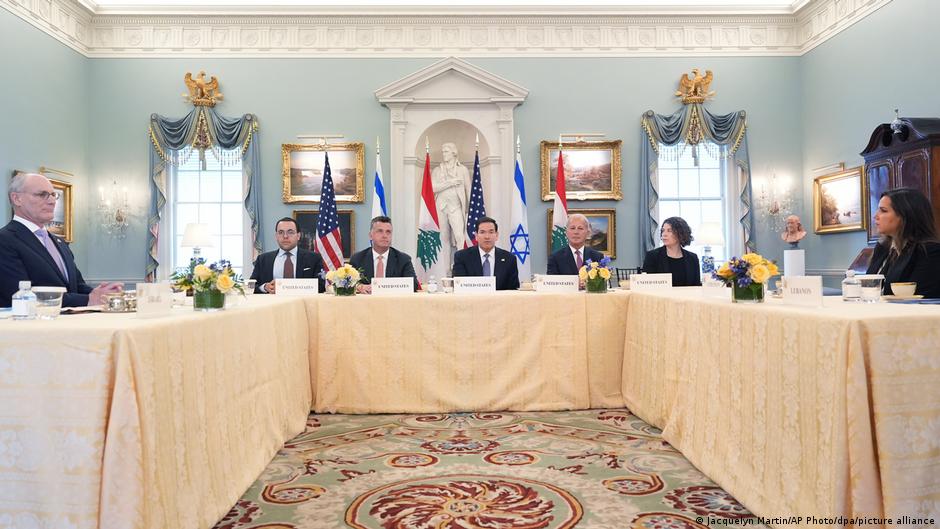
The recent announcement of a three-week extension to the ceasefire between Israel and Lebanon, confirmed by former U.S. President Donald Trump, is playing a significant role in shaping market dynamics on Wall Street. This development is fostering risk-on sentiment, influencing trading volumes and prompting sector rotations, particularly within defense, energy, and emerging markets equities.
Market Response to Ceasefire Extension
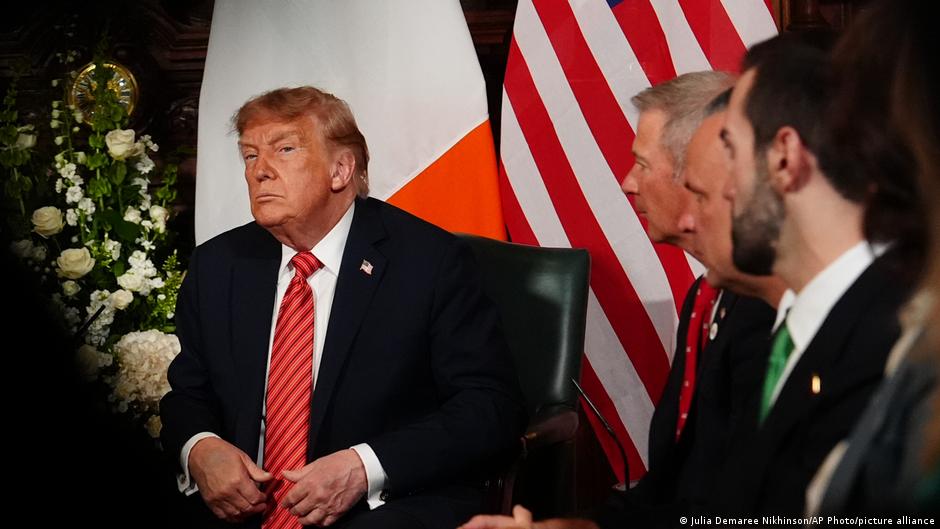
On April 23, Trump revealed via social media that the ceasefire agreement between Israel and Lebanon would be extended by three weeks. The extension follows high-level diplomatic engagements involving U.S. officials including Vice President J.D. Vance, Secretary of State Marco Rubio, and respective ambassadors to Israel and Lebanon. These efforts aim to stabilize the region and mitigate risks associated with the radical militia group Hezbollah.
Equity markets responded promptly to this geopolitical development. Defense stocks, which had experienced volatility amid prior regional tensions, saw modest declines as the perceived risk of escalation diminished. Companies specializing in military technology and security services adjusted their valuations downward, reflecting investor recalibration toward reduced conflict risk.
Conversely, energy sector equities, particularly those tied to Middle Eastern oil supply chains, experienced upward momentum. The prospect of sustained peace contributes to supply stability, alleviating concerns of sudden disruptions. This dynamic also encouraged a rotation out of traditional safe havens into more cyclically sensitive sectors.
"The extension of peace initiatives in the Middle East is fostering investor confidence, prompting sector rotations that favor energy and emerging markets over defense assets," noted equity research analysts.
In addition, emerging market equities with exposure to the Middle East witnessed increased trading volumes amid optimism about improved regional stability. This shift underscores the broader market impact of diplomatic breakthroughs beyond bilateral relations.
Outlook and Analyst Perspectives
Equity research teams emphasize that while the ceasefire extension is a positive development, ongoing monitoring of diplomatic progress remains essential. The upcoming planned meetings between Israeli Prime Minister Benjamin Netanyahu and Lebanese President Joseph Aoun, as anticipated by Trump, could further influence market trajectories, especially if discussions advance toward comprehensive peace agreements.
Traders and portfolio managers are advised to stay attuned to geopolitical updates that could affect sector performance and volatility levels. The current environment favors selective exposure to sectors benefiting directly from regional de-escalation and stability.