Russian Diesel Plan Puts Energy Stocks and Sanctions Risk in Focus
Potential US sanctions relief for Russia’s sovereign investment fund could reshape diesel markets and investor views of refiners and energy shares.
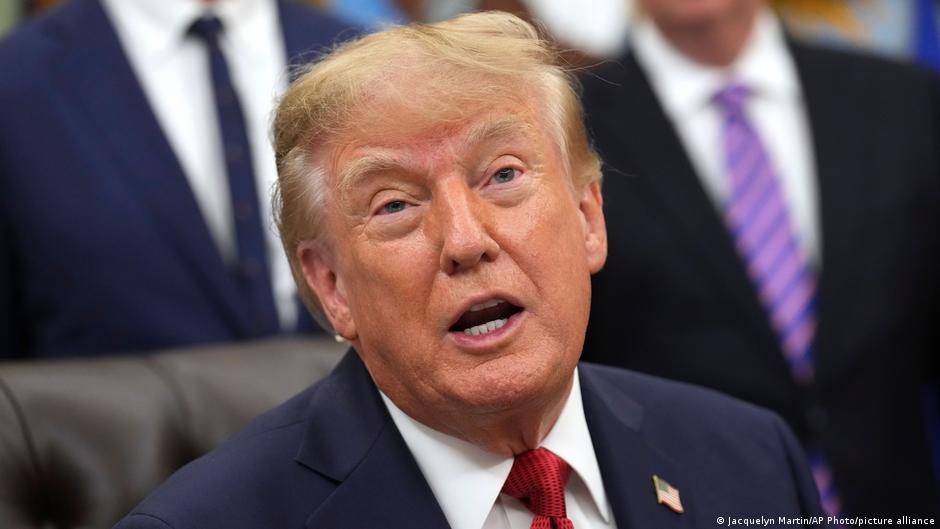
The Trump administration is considering lifting sanctions on the Russian Direct Investment Fund, or RDIF, a step that could facilitate proposed shipments of Russian diesel to the United States and bring a new geopolitical variable into Wall Street’s assessment of energy stocks.
The New York Times reported on Tuesday, October 27, citing people familiar with US-Russian negotiations, that Moscow is pressing Washington to remove the restrictions so the fund can participate in diesel deliveries. The US Treasury Department is reviewing RDIF’s application through its standard procedures, according to one of the newspaper’s sources. Under that process, the fund would have to demonstrate that the grounds for imposing the sanctions no longer apply.
For equity investors, the immediate focus is likely to fall on refiners, fuel distributors and other companies whose earnings are sensitive to diesel prices and refining margins. Additional Russian supply could place downward pressure on fuel prices, potentially benefiting transportation and industrial users while creating a less favorable pricing environment for some refining businesses. The source material, however, provided no individual stock moves, analyst rating changes or trading-volume figures linked to the report.
Refiners and transport shares face diverging implications
President Donald Trump said on Truth Social on October 9 that he had held “very successful” talks with Russian President Vladimir Putin and that the discussions produced an agreement covering Russian diesel supplies to the United States and the wider global market.
According to Trump, Russia would immediately supply more than 300,000 metric tons of diesel to US and global markets, followed by another 500,000 tons during November and 1 million tons after that. Depending on the condition of Russian oil refineries, Moscow could provide an additional 3 million tons of fuel within a short period, the president said.
Trump argued that Russian energy supplies, together with what he described as US “full control” over the Strait of Hormuz, would cause diesel prices to fall rapidly and substantially for Americans and consumers worldwide.
Any sustained increase in diesel availability would create a potential split within equities: fuel-intensive companies could gain from lower costs, while refiners could face pressure if margins narrow.
That divergence makes the development relevant to sector rotation. Airlines, trucking companies, logistics groups, manufacturers and retailers can be sensitive to changes in transportation and energy expenses. Refiners and integrated oil companies, by contrast, may be assessed partly through the effect that additional supply has on product prices and refining economics. The eventual market impact would depend on whether the announced volumes arrive, how long the authorization remains in effect and how global diesel balances respond.
On October 9, the US Treasury Department said that the Office of Foreign Assets Control, acting at the president’s direction, was immediately issuing a temporary general license permitting deliveries of Russian diesel to the global market. Putin later formally confirmed the telephone conversation with Trump and the agreements concerning Russian petroleum-product shipments to world markets.
Sanctions review adds a political risk premium
RDIF was established in 2011 to attract foreign investment into Russia. Its projects have included Sputnik V, Russia’s vaccine developed during the COVID-19 pandemic. The Biden administration sanctioned the fund four days after Russia’s full-scale invasion of Ukraine.
At the time, the US Treasury said that although RDIF was formally a sovereign investment fund, it was widely regarded as a slush fund for Putin and as a prominent example of the kleptocracy associated with Russia’s system of government.
The fund is led by Kirill Dmitriev, a central participant in Russian-US talks, including discussions concerning the war in Ukraine. He has promoted Kremlin proposals for possible joint business projects between Russia and the United States and has met repeatedly with representatives of the current US administration.
The New York Times said the previously unreported consideration of additional sanctions relief showed how the Kremlin was using the latest wave of diplomacy surrounding the war in Ukraine to advance an agenda that appeared to have little connection with securing peace.
From an equity-research perspective, the sanctions review introduces both policy and execution risk. A removal of restrictions could make the proposed diesel trade easier to implement, but the Treasury process requires RDIF to establish that the original basis for sanctions has disappeared. A temporary license for fuel shipments also does not necessarily guarantee permanent sanctions relief for the fund.
Until the administration reaches a decision and physical deliveries can be assessed, investors may treat the report as a catalyst rather than a completed shift in supply. Confirmation through cargo flows, changes in diesel pricing and company guidance would provide a firmer basis for evaluating earnings consequences. In the meantime, the prospect of more Russian fuel entering the market is likely to keep refiners, transport companies and other energy-sensitive equities at the center of Wall Street’s response.