Russian Airstrikes on Ukrainian Regions Trigger Market Volatility and Sector Rotation on Wall Street
Renewed Russian attacks on key Ukrainian cities influence energy and defense sectors amid increased trading volumes.
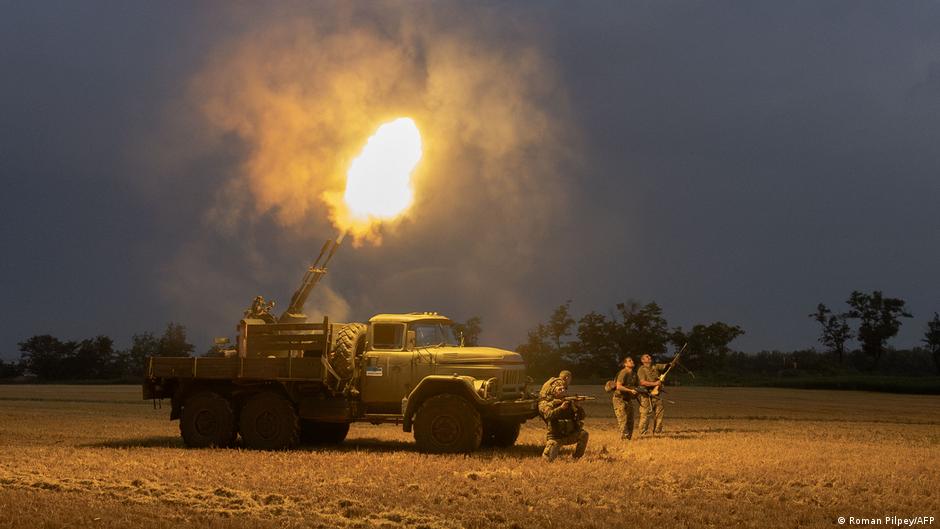
On the night of May 17, Russian forces conducted aerial strikes across several Ukrainian regions, including Kharkiv, Dnipro, and Zaporizhzhia. The renewed military activity has heightened geopolitical tensions, directly impacting global markets, particularly in defense and energy sectors.
Market Reaction to Escalating Conflict
The news of drone and missile attacks targeting multiple Ukrainian cities pushed investors toward defensive equities and commodities. The energy sector saw an uptick in trading volumes as concerns over regional stability raised fears of supply disruptions. Oil prices surged slightly, reflecting the market's sensitivity to Ukraine's critical role as a transit route for energy resources.
"Heightened military activity in Eastern Europe continues to drive sector rotation, favoring defense stocks and energy commodities," said an equity research analyst.
Specifically, major defense contractors experienced a rally, with increased buying interest from institutional investors seeking to hedge against geopolitical risks. At the same time, certain consumer discretionary stocks faced pressure amid broader market uncertainties.
Trading volumes on Wall Street spiked as investors adjusted their portfolios in response to the unfolding situation. Sector rotation was evident, with capital moving away from growth-oriented tech stocks toward more stable, dividend-paying industries.
Equity Research Perspective
Equity analysts emphasize the importance of monitoring developments in the Ukrainian conflict, as continued escalations could prolong volatility in equity markets. The defense sector's outlook remains positive in the near term, supported by increased government spending and heightened global security concerns.
Energy companies with exposure to European markets are also under scrutiny. Analysts suggest that firms with diversified supply chains may better withstand geopolitical disruptions, while those heavily reliant on the region face increased risk premiums.
Investors are advised to maintain vigilance and consider the impact of geopolitical events in their portfolio strategies, particularly those with exposure to sensitive sectors. Market participants expect that ongoing conflict dynamics will continue to influence trading behavior and sector performances.