Putin Eases Russian Citizenship Rules for Transnistrian Residents Amid Geopolitical Tensions
New decree removes language and history exam requirements for Transnistria’s inhabitants applying for Russian citizenship.
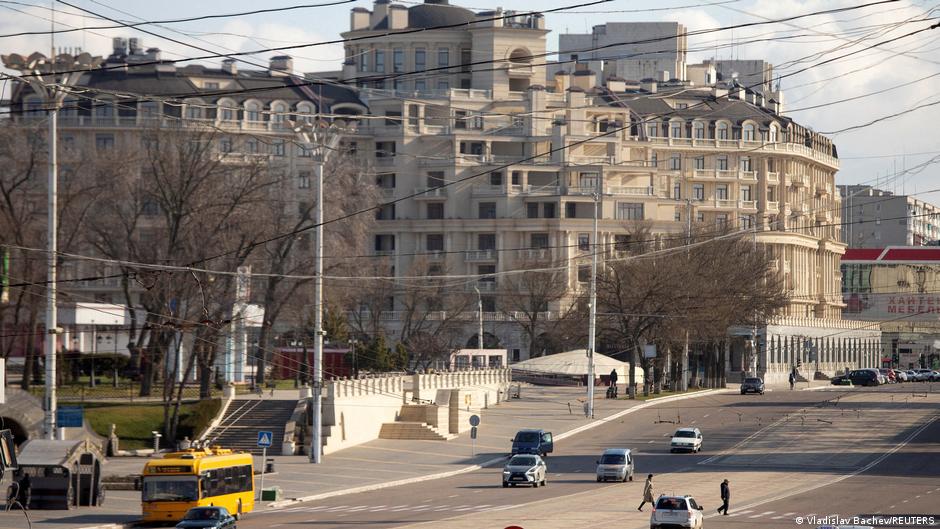
Russian President Vladimir Putin has signed a decree simplifying the process for residents of the unrecognized Transnistrian Moldovan Republic (PMR) to obtain Russian citizenship. The new rules exempt applicants from the previously mandatory exams on the Russian language and Russian history.
Published on May 15 on the official Russian legal information portal, the decree allows all adults living in Transnistria to apply for Russian citizenship without fulfilling additional requirements. The measure also extends to orphans in the region, who can now be granted Russian passports upon the guardians’ request.
Potential Market and Sector Impacts
Transnistria, a breakaway region on the left bank of the Dniester River in Moldova, declared independence in 1990 but remains unrecognized by any United Nations member state. Russian troops maintain a military presence in the area. The population of the self-proclaimed republic is estimated at around 470,000, of whom more than 220,000 reportedly hold Russian citizenship, according to Russian Security Council Secretary Sergey Shoigu.
From a Wall Street perspective, this geopolitical development may influence investor sentiment in sectors such as defense, energy, and regional financial services. The easing of citizenship rules could be interpreted as Russia consolidating its influence in Eastern Europe, potentially affecting companies with exposure to the region or those involved in military contracting and energy transit routes.
Trading volumes in stocks linked to Russia’s defense industry may see increased activity as investors reassess geopolitical risks and opportunities. Equity research analysts might adjust forecasts for firms operating in or near Eastern Europe, balancing potential sanctions risks against strategic positioning.
"This decree signals Moscow’s continued strategic interest in the Transnistrian region, which could have ripple effects on regional stability and market dynamics," notes an equity strategist.
Sector rotation could also be observed, with investors potentially shifting from international equities to Russian assets perceived as benefiting from closer integration with Transnistria. However, increased geopolitical tensions might simultaneously elevate volatility across emerging market stocks, influencing portfolio allocations.
In summary, Putin’s latest decree streamlines citizenship acquisition for a significant population in a geopolitically sensitive region. Market participants should monitor developments closely, as the move may impact trading volumes, sector sentiment, and equity valuations related to Eastern Europe and Russian geopolitical strategy.