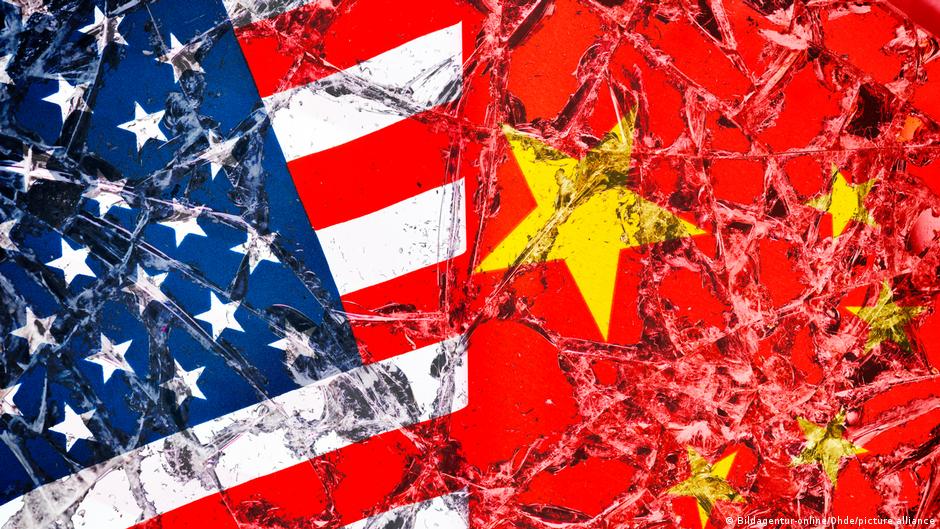
China's Refusal to Release Jimmy Lai Adds Uncertainty to Market Sentiment and US-China Relations
President Trump reports pessimistic talks with Xi Jinping on Jimmy Lai's 20-year prison sentence amid broader geopolitical tensions.
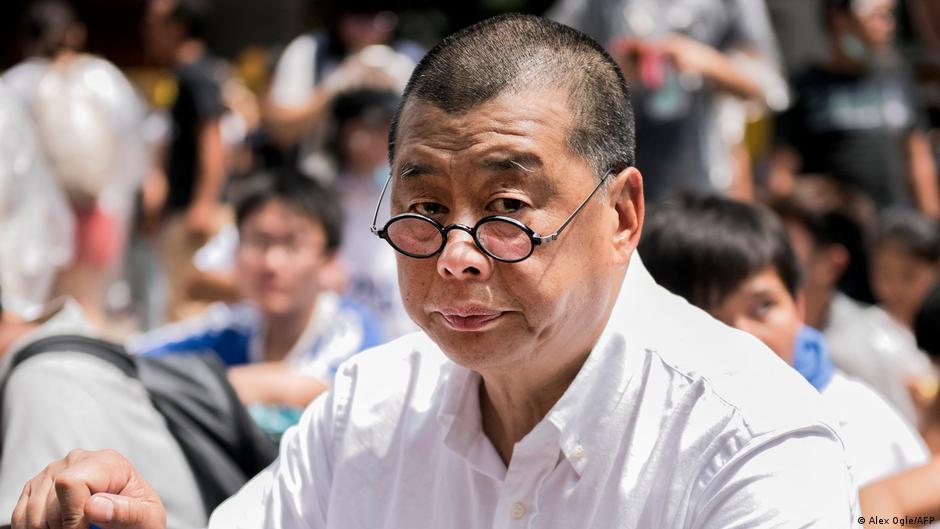
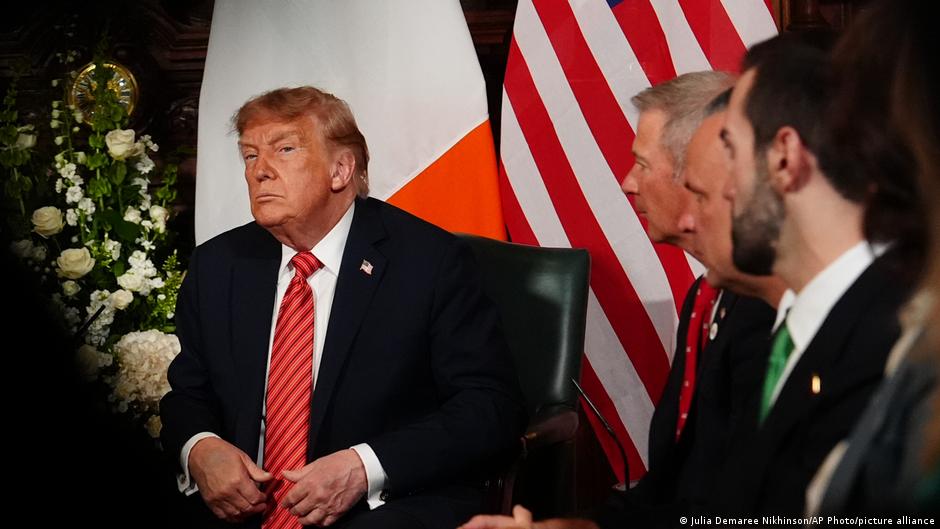
President Donald Trump revealed after talks with Chinese President Xi Jinping that the Chinese government remains firm in its decision to keep Hong Kong media mogul Jimmy Lai imprisoned. Lai was sentenced to 20 years for alleged subversion, a verdict that has intensified concerns about the geopolitical climate impacting market dynamics.
Geopolitical Tensions Fuel Market Volatility
Jimmy Lai, a prominent supporter of the 2019 pro-democracy protests in Hong Kong, was convicted on charges of "inciting rebellion" and "colluding with foreign forces." His 20-year sentence, coupled with China’s refusal to consider his release, has added a layer of complexity to US-China relations, which in turn is affecting Wall Street.
"The reaction was not very positive," Trump said regarding his discussion with Xi about Lai, reflecting limited optimism on resolving the issue.
Market analysts note that this diplomatic deadlock contributes to a cautious trading environment, with investors wary of escalating tensions between the world's two largest economies. The uncertainty surrounding political developments in Hong Kong and China broadly is leading to sector rotations, heightened volatility, and shifts in trading volumes.
Specifically, tech and communication stocks, which are often sensitive to regulatory and geopolitical risks, have experienced notable fluctuations. The prolonged detainment of Lai, a significant media figure, highlights Beijing's tightening grip on Hong Kong's autonomy, a development that affects investor sentiment, particularly in sectors reliant on China’s regulatory landscape.
Equity research teams are revising forecasts for multinational firms with exposure to Hong Kong and China, factoring in the potential for increased political risk. This includes assessing supply chain vulnerabilities and the impact on consumer-facing sectors as geopolitical tensions affect demand patterns.
Market Implications and Forward Outlook
Trading volumes in affected sectors have seen sporadic spikes as investors respond to news flow around China’s political decisions. Wall Street strategists advise a balanced approach, highlighting the importance of diversification amid ongoing uncertainty.
Jimmy Lai's case not only symbolizes the broader struggle over Hong Kong's political freedoms but also serves as a barometer for US-China relations. Investors and market participants are closely monitoring developments, acknowledging that the political environment will continue to influence equity markets and sector rotations.
As the situation remains fluid, market watchers recommend focusing on fundamentals while preparing for potential volatility stemming from geopolitical disputes.