Reported Strike on NLMK Plant Puts Steel and Chemical Stocks in Focus
Unconfirmed reports of fires at Russian industrial sites raise fresh questions about supply risk, defense spending and metals-sector exposure.
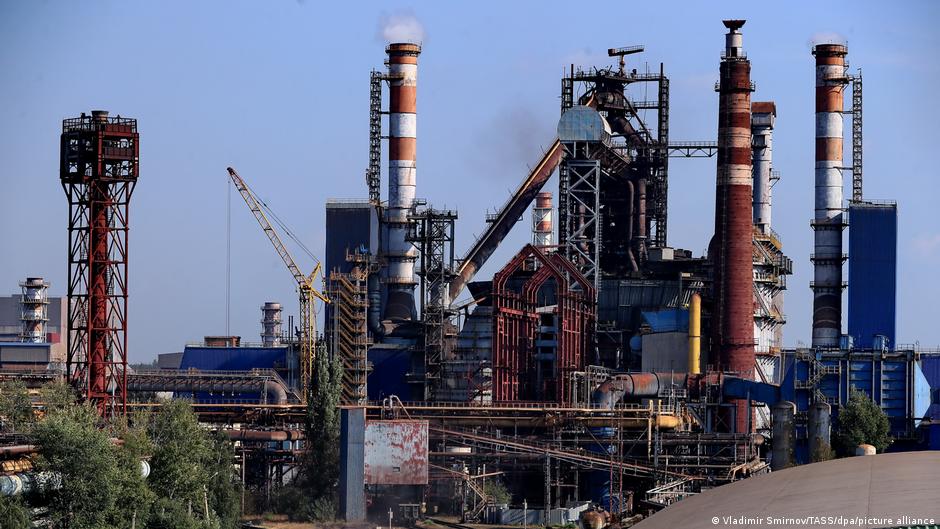
Reports of fires at major industrial facilities in Russia following an alleged Ukrainian attack are putting steel, chemicals and defense-linked manufacturers on investors’ watchlists, although the immediate implications for Wall Street remain difficult to quantify without confirmed damage assessments.
Ukrainian monitoring channel Exilenova+ said the Russian city of Lipetsk was attacked by jet-powered drones operated by the Armed Forces of Ukraine overnight into Wednesday, Oct. 28. According to the channel’s preliminary open-source intelligence analysis, a fire broke out near the Novolipetsk Metallurgical Plant, or NLMK, during the strikes, including as local air defenses operated. The steelworks was also targeted in Ukrainian attacks in 2024.
Neither the General Staff of the Armed Forces of Ukraine, Ukraine’s Defense Ministry nor the Lipetsk regional authorities had commented on the reported attack at the time of publication. That lack of official confirmation leaves investors without verified information about whether production assets were hit, how long any disruption might last or whether shipments could be affected.
Steel Supply Risk Meets a Cautious Equity View
For equity markets, the central issue is operational continuity at NLMK rather than the reported fire alone. Any sustained interruption at a large steelmaking complex could influence expectations for regional steel availability, input costs and trade flows. However, the available reports did not provide figures for production losses, damaged capacity, trading volumes or financial exposure, making it premature to price a specific earnings impact.
The incident has limited direct relevance for most U.S.-listed companies, but it could affect sentiment toward global metals producers and industrial supply chains. Traders may monitor steel equities for signs of sector rotation into producers perceived as benefiting from tighter supply, while manufacturers that consume significant volumes of steel could face renewed scrutiny over input-cost risk. No market-price or share-volume data connected to the reported attack were provided in the source material.
For investors, the key distinction is between a short-lived fire and a disruption capable of removing meaningful industrial capacity from the market.
Exilenova+ also reported strikes near a military airfield in Lipetsk. The channel said missile alerts sounded in several Russian regions and that air defenses engaged jet-powered targets over the city. Preliminary information indicated impacts and a fire near the airfield.
The monitoring channel published photographs and eyewitness video that it said showed air-defense activity. According to its assessment, the footage captured explosions of 30-millimeter shells fired by automatic antiaircraft guns belonging to Russia’s Pantsir air-defense system. Exilenova+ said the firing did not produce hits.
Chemicals and Defense Supply Chains Draw Attention
Later, citing local residents, the channel reported an attack and subsequent fire at the Azot chemical plant in Novomoskovsk, in Russia’s Tula region, without providing additional details. Ukraine’s Foreign Intelligence Service has said that the facility supplies nitric acid to the Sverdlov plant in Dzerzhinsk, in the Nizhny Novgorod region, which manufactures explosives.
Tula Governor Dmitry Milyaev said air-defense units were repelling a drone raid on the region. He wrote on Telegram that apartment buildings, private homes and infrastructure in an adjacent industrial zone had been damaged in Novomoskovsk.
The reported incident could widen investor attention from metals to chemicals and defense-related supply chains. Nitric acid is a relevant industrial input, but the reports offered no estimate of damage to Azot, no indication of a shutdown and no data on inventories or deliveries. Consequently, an equity research view would likely treat the event as a developing operational risk rather than evidence of an established supply shock.
For U.S. investors, any read-through would be indirect and most likely expressed through broader trading in steel, specialty chemicals, industrial commodities and defense names. A sustained pattern of attacks on production facilities could encourage defensive positioning or rotation toward companies with geographically diversified assets. Yet the absence of verified production losses means volume spikes or sharp price moves based solely on the reports would carry substantial headline risk.
Earlier Attack Adds to the Industrial-Risk Pattern
The latest reports follow an Oct. 25 strike on what regional authorities described as Russia’s largest battery plant, located in Yelets in the Lipetsk region. Regional Governor Igor Artamonov did not identify the enterprise or disclose the extent of the damage.
According to open-source analysis by Astra, the target was the Energia plant in Yelets’s industrial zone. The facility produces batteries for Russian drones, several missile systems and other weapons used extensively by the Russian military in its war against Ukraine.
Exilenova+ said several Storm Shadow missiles attacked the plant. The channel reported at least two impacts in two buildings and claimed that one production building suffered extensive destruction. The following day, Ukraine’s General Staff confirmed that the facility had been struck and damaged, but did not identify the weapon used. Before the Oct. 25 strike, the Energia plant had already been targeted five times by Ukrainian forces.
Taken together, the reported attacks reinforce the market’s focus on recurring physical risk to Russian industrial capacity. For Wall Street, the most actionable signals will be verified shutdown durations, changes in export flows, commodity-price responses and unusual trading volumes in exposed sectors. Until those emerge, the reports support heightened monitoring rather than a definitive earnings revision for global steel, chemical or defense stocks.