Kyiv Mayor Urges Temporary Relocation as Russian Attacks Raise Market Risks
Vitaliy Klitschko said Kyiv residents with options outside the capital should consider leaving temporarily as strikes threaten utilities and infrastructure.
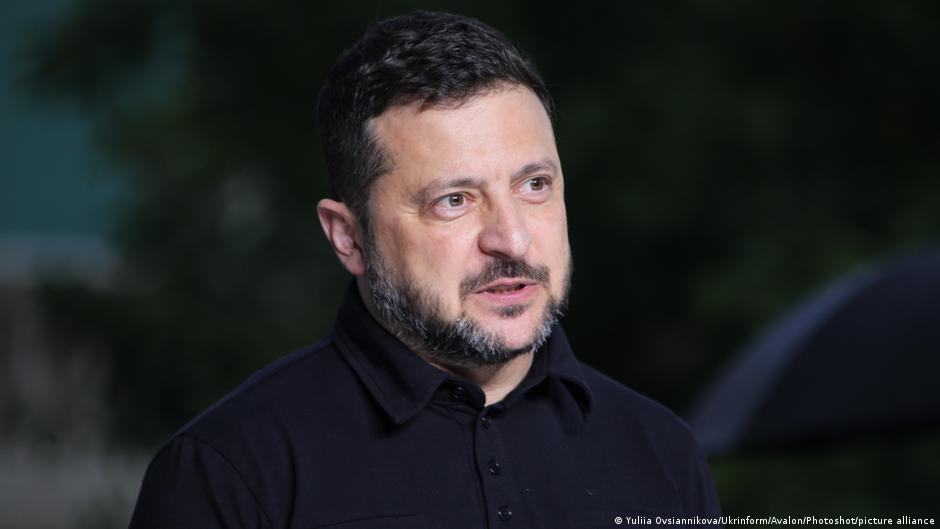
Kyiv Mayor Vitaliy Klitschko has urged residents who have friends or relatives elsewhere in Ukraine to consider temporarily leaving the capital, as intensified Russian attacks raise fresh concerns over urban resilience, winter preparedness and the broader risk backdrop for companies with exposure to the region.
In an interview with AFP published on Wednesday, October 8, Klitschko said the pressure on Kyiv had escalated as Russian strikes increasingly hit civilian infrastructure and public services. The mayor did not call for a full evacuation, but framed the situation as a matter of immediate safety for people who have somewhere else to go inside Ukraine.
“Today it is about survival,” Klitschko said, describing daily reports of destroyed buildings, wounded residents and deaths as shelling of the city intensifies.
For Wall Street investors, the comments are a reminder that the war remains a live geopolitical risk rather than a contained regional event. The most direct equity-market implications sit in defense, aerospace, energy infrastructure, European utilities, transport and logistics, and companies tied to reconstruction expectations. Any prolonged disruption to Kyiv’s energy, water, communications or rail systems could sharpen investor focus on defense spending, grid hardening, fuel supply and emergency infrastructure across Europe.
Infrastructure Risk Re-enters the Market Conversation
Klitschko warned that if Russian attacks disrupt Kyiv’s water-supply system, the city could face a crisis he described as “fairly large-scale.” He said city authorities are preparing for winter by building backup heating systems and stockpiling fuel, food and drinking water. Still, he added that even strong preparation by officials and residents may not be enough if air defenses fail to stop incoming attacks.
That warning lands at a sensitive point for markets. Investors have become accustomed to treating the war in Ukraine as a persistent but partially discounted risk. Yet attacks on large-city infrastructure, if sustained, can alter that calculus by reviving concern over humanitarian pressures, public spending needs and the stability of transportation and energy networks. In equity research terms, the issue is less about a single event and more about whether the risk premium attached to Europe-facing assets needs to widen again.
Defense contractors are the clearest potential beneficiaries of any renewed focus on air defense. Klitschko’s remarks specifically tied Kyiv’s downside scenario to whether air defenses work. That places investor attention on companies exposed to missile-defense systems, radar, interceptors, drones, electronic warfare and related supply chains. Shares in major U.S. and European defense groups have often traded on expectations of sustained government procurement, and comments from Ukrainian officials can reinforce the market’s view that demand for air-defense capacity will remain structurally elevated.
Energy and utility names may also draw scrutiny. The mayor said Russian strikes have targeted energy and communications facilities, along with railway infrastructure. While the source report does not identify individual companies or quantify damage, the pattern matters for sector rotation. Investors may favor companies positioned around backup power, fuel logistics, grid equipment and infrastructure repair while applying a higher risk discount to businesses with vulnerable physical assets in the region.
No Full Evacuation Call, but a Clear Warning
Klitschko emphasized that he was not calling for a complete evacuation of Kyiv. He said a full departure would serve the objective of Russian President Vladimir Putin, adding that the best scenario for Moscow would be for Ukrainians to leave empty cities and the country itself behind. His message was therefore narrower: residents with practical alternatives outside Kyiv should consider relocating temporarily while attacks continue.
That distinction matters for investors trying to separate acute security warnings from signals of institutional breakdown. Kyiv’s authorities are still preparing for winter, organizing reserves and maintaining public services. The mayor’s comments point to strain and contingency planning, not surrender of the capital. For markets, that suggests ongoing operating risk rather than a clean binary outcome.
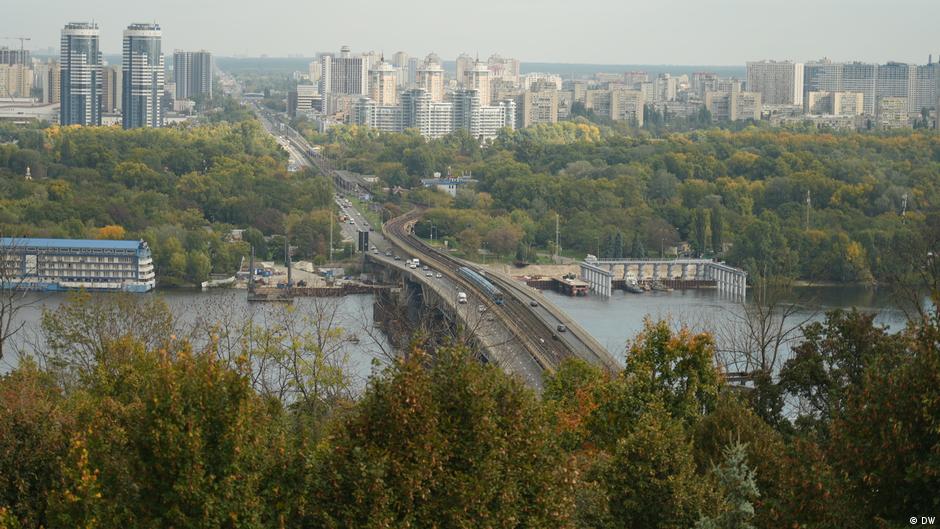
The security backdrop has deteriorated in recent weeks. According to the source report, Russia intensified attacks on Kyiv in September. In early October, Russian forces also began striking bridges over the Dnipro River that connect Kyiv’s right-bank and left-bank districts. Those bridges had not previously been attacked, the report said. Strikes have also targeted energy, communications and railway infrastructure.
Transport infrastructure is a key variable for companies and investors because it affects movement of people, supplies, fuel and emergency goods. Even without company-specific disclosures, attacks on rail infrastructure and bridges can ripple through logistics assumptions. Equity analysts watching European industrials, freight operators, construction-material suppliers and energy distributors will likely read the pattern as another reason to stress-test exposure to Ukraine-linked routes and public-sector contracts.
On October 3, Ukrainian President Volodymyr Zelensky said Russia had adopted a new air-strike strategy aimed at forcing Ukrainians to leave Kyiv and other major cities. Klitschko’s remarks align with that assessment, describing a city under intensified pressure while rejecting the idea that residents should abandon the capital entirely.
Trading desks are unlikely to price the mayor’s interview as a single-stock catalyst on its own. The larger effect is thematic. Defense and security suppliers may remain supported by expectations of continued procurement. Infrastructure and energy-resilience companies could benefit from rising demand for backup systems and repairs. European risk assets, meanwhile, may face intermittent pressure whenever strikes suggest a broader campaign against urban systems ahead of winter.
The absence of new casualty totals, damage estimates or procurement announcements limits the immediate quantifiable market impact. But the direction of the news is clear: Kyiv is preparing for a harsher phase of the conflict, and investors are being reminded that war-related infrastructure risk can quickly move from the geopolitical pages back into sector allocation, valuation assumptions and equity research models.