Iran's Missile and Drone Attacks on UAE Stir Market Volatility and Sector Rotation on Wall Street
Renewed Iran-UAE hostilities disrupt energy markets, triggering sector shifts and increased trading activity on Wall Street.
The recent resumption of missile and drone strikes by Iran on the United Arab Emirates (UAE) has injected fresh uncertainty into global markets, with notable impacts on Wall Street's trading volumes and sector rotations. This escalation follows a monthlong lull after a tentative ceasefire between the US and Iran, but the latest attacks have sparked a reevaluation among equity investors, particularly within the energy and defense sectors.
Market Reaction and Sector Dynamics
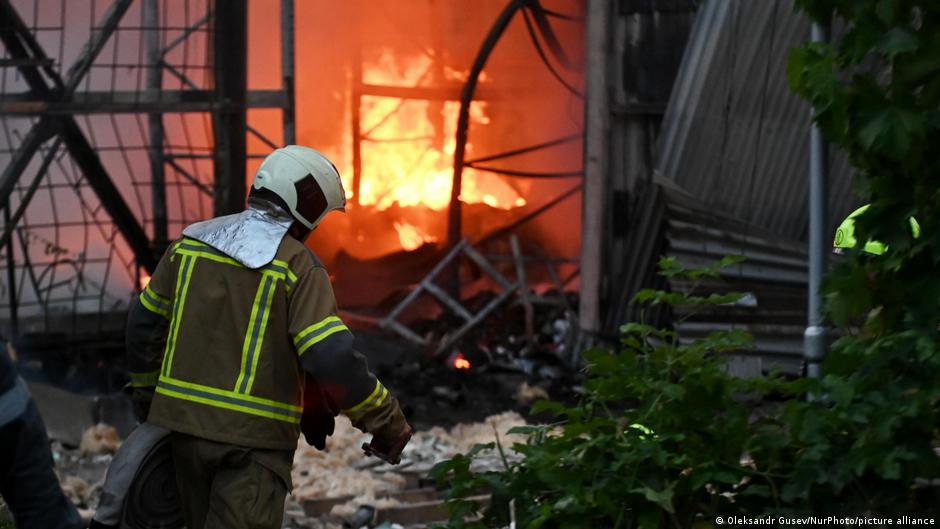
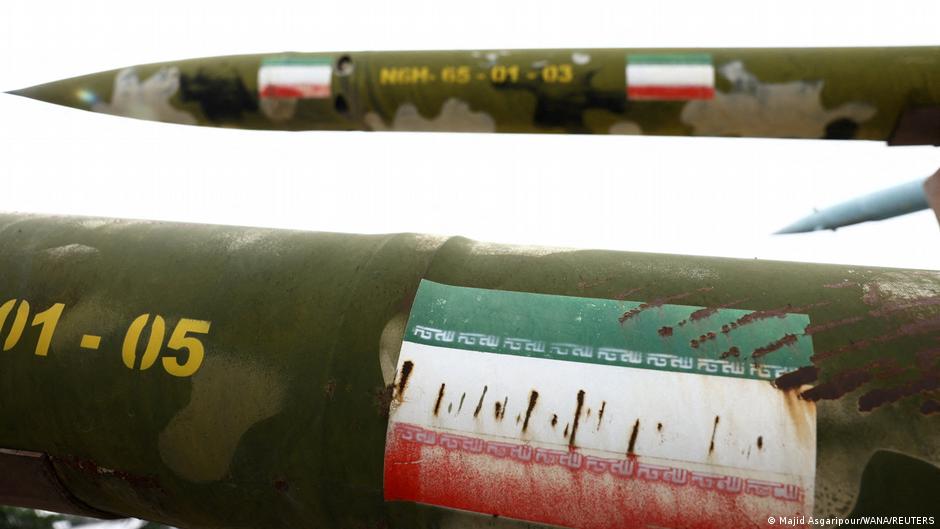
On May 4, the UAE's defense ministry announced the interception of 19 Iranian-launched projectiles, including 12 ballistic missiles, three cruise missiles, and four unmanned aerial vehicles (UAVs). The attacks targeted the Emirati oil hub of Fujairah, causing a fire and injuring three Indian nationals. Following this, educational institutions shifted to online classes temporarily, underscoring the disruption's local impact.
Wall Street responded with increased volatility, especially in energy and aerospace stocks. Oil prices surged amid concerns over stability in the Strait of Hormuz, a critical chokepoint for global oil shipments. Major oil companies such as ExxonMobil and Chevron saw heightened trading volumes as investors anticipated supply constraints.
"The resumption of Iranian attacks on the UAE is a sharp reminder of geopolitical risks that continue to challenge energy security and investor confidence," said an equity research analyst specializing in geopolitical risk assessment.
The defense sector also witnessed upticks, with shares of Lockheed Martin and Raytheon Technologies gaining as markets priced in potential increases in defense spending and regional military tensions. Additionally, shipping and logistics firms with exposure to Middle Eastern routes experienced fluctuations due to fears of disruption.
Broader Geopolitical Context and Future Outlook
The renewed hostilities come as the US announced "Project Freedom," a naval escort operation to safeguard vessels in the Strait of Hormuz, which Tehran decried as a violation of the ceasefire. Germany's Chancellor Friedrich Merz condemned the attacks and called for Iran to return to negotiations, emphasizing the importance of regional stability for global security and commerce.
Investors remain cautious as the situation evolves, monitoring diplomatic developments and military responses that could further influence market sentiment. The potential for expanded conflict or a sustained escalation could drive further sector rotation, particularly benefiting defense contractors and energy producers focused on alternative supply sources.
In summary, the Iran-UAE conflict resurgence is reshaping Wall Street dynamics by heightening risk premiums and prompting strategic reallocations across sectors sensitive to geopolitical disruptions. Market participants are advised to stay alert to further developments that could impact trading volumes and equity valuations in the near term.